

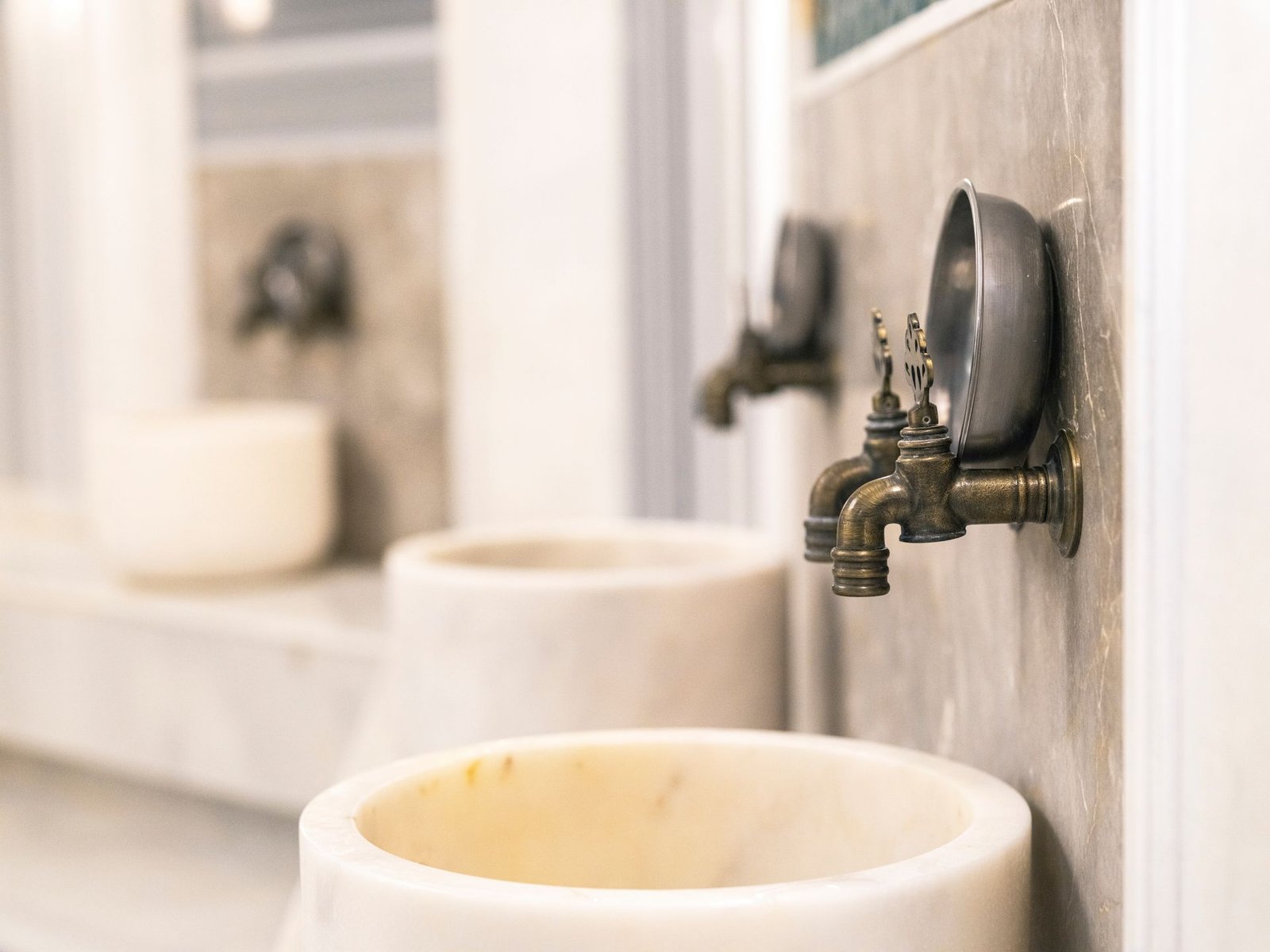

A visit to a hammam — the Turkish bath — is one of the most relaxing things you can do in Turkey. If you’ve never been, it can feel a little mysterious. Here’s what to expect.
What happens in a hammam?
- Changing: you’re given a cubicle, a peştamal (a thin cotton wrap) and slippers.
- Warming up: you relax on the heated marble platform (göbek taşı) in the domed steam room to open your pores.
- The scrub: an attendant scrubs you with a rough mitt (kese). Expect to see a surprising amount of dead skin come off.
- The foam wash: you’re covered in soap bubbles and given a massage-style wash.
- Cooling down: rinse off, wrap up in a dry towel and rest with a tea or a cold drink.
What to wear and bring
- Swimwear or underwear under the peştamal is fine and common for visitors.
- Most hammams provide towels, slippers and soap; bring a change of underwear and a hairbrush.
- Leave valuables in your hotel or in the lockers provided.
Hammam etiquette
- Traditional hammams have separate sections or hours for men and women. Many tourist hammams and hotel spas offer mixed areas for couples.
- Keep your peştamal on in shared areas.
- Tipping the attendant around 10–15% is customary.
Historic hammams in Istanbul
Several of Istanbul’s working hammams were designed by Mimar Sinan, the great Ottoman architect, in the 16th century — including Çemberlitaş, Kılıç Ali Paşa and the Hürrem Sultan Hamamı near Hagia Sophia. Bathing under their centuries-old domes is part of the experience. Outside Istanbul, Bursa is famous for its thermal baths and most resort hotels have a hammam in their spa.
Good to know
- Drink plenty of water before and after.
- Avoid a hammam straight after a heavy meal or alcohol.
- If you’re pregnant or have a heart condition or high blood pressure, check with your doctor first.
0 Comment