Known for: “Gülümse”, “Hadi Bakalım”, “Firuze” and writing hits for Tarkan and others; nicknamed “Minik Serçe” (Little Sparrow).
Where to hear her: on her official channels, at tribute concerts in Istanbul and in her home province of Denizli.
Few people have shaped modern Turkish pop as much as Sezen Aksu. She has been recording for half a century, she writes much of her own material, and she has written hits for many other singers. Turks know her affectionately as “Minik Serçe”, the little sparrow, and the press calls her the Queen of Turkish Pop.
This page sticks to her public career: the records, the songs to start with, her work for other artists, and where a visitor can hear her music in Turkey. For other pop names such as Tarkan and Sertab Erener, and for the folk and rock scenes, see our hub guide to famous Turkish singers and musicians.

Career: from Sarayköy to the top of Turkish pop
Sezen Aksu was born Fatma Sezen Yıldırım on 13 July 1954 in Sarayköy, a town in Denizli province in south-west Turkey. Her first single, “Haydi Şansım”, came out in 1975 under the name Sezen Seley. The breakthrough followed a year later, when “Olmaz Olsun” reached number one and she was named promising female artist of the year.
Through the late 1970s and 1980s she released a run of albums, from Allahaısmarladık (1977) to Sen Ağlama (1984), and entered Turkey’s national Eurovision selection several times, though she never represented the country at the contest. In the 1980s she began a long partnership with the producer and arranger Onno Tunç, who worked on her records into the 1990s, including Gülümse; he died in a plane crash in 1996.
The 1990s made her a national institution. Gülümse (1991) produced “Hadi Bakalım” and its title song, and Işık Doğudan Yükselir followed in 1995. In 1997 she recorded Düğün ve Cenaze (Wedding and Funeral) with the Balkan composer Goran Bregović. She has kept recording since, with albums such as Bahane (2005), Öptüm (2011) and Demo (2018). Her records are reported to have sold more than 40 million copies.
Songwriter and mentor
Aksu’s influence goes well beyond her own voice. She wrote “Şımarık” and “Şıkıdım” for Tarkan, the songs that made him a star across Europe in the late 1990s, and she supported the early careers of several singers who went on to big things, among them Sertab Erener, who won Eurovision for Turkey in 2003. Her lyrics are known for catching everyday feelings precisely, which is why so many other artists record them.
Signature songs
- “Olmaz Olsun” (1976)
- “Gülümse” (1991)
- “Hadi Bakalım” (1991)
- “Firuze”
- “Geri Dön”
Key albums
- Sen Ağlama (1984)
- Gülümse (1991)
- Işık Doğudan Yükselir (1995)
- Düğün ve Cenaze (1997, with Goran Bregović)
- Adı Bende Saklı (1998)
Aksu, Alexiou and the Special Relationship, an English-language video essay on Sezen Aksu, the Greek singer Haris Alexiou and the songs shared by Turkey and Greece (The Long Thin Road, December 2021). Watch on YouTube.
Honours and recognition
In 2010 the American broadcaster NPR included her in its 50 Great Voices series, calling her “the voice of Istanbul”. An asteroid, 266854 Sezenaksu, is named after her. In Turkey her recognition is simpler to see: more than four decades of hits, and songs that people of every age know by heart.
Where to hear her music in Turkey
There is no Sezen Aksu museum. If you hope to see her live, watch her official website and social channels for concert news and book as soon as dates are announced.
Istanbul
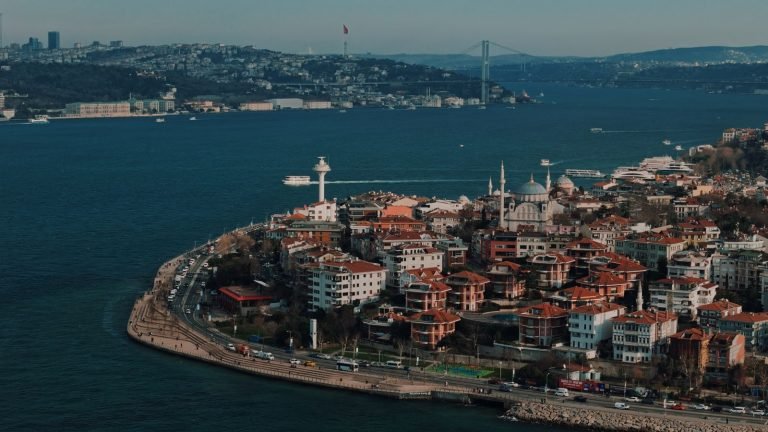
The Harbiye Cemil Topuzlu Open-Air Theatre, the big summer amphitheatre in Şişli, is where she has played some of her Istanbul concerts, and it also hosts tribute shows: in September 2025 the opera singer Murat Karahan performed an evening of her songs there with a symphony orchestra. Check the venue’s ticket sites for the coming season (checked November 2026). Beyond the concert stage, her songs are part of the soundtrack of Istanbul life, from taxis to the late-night singalongs of meyhanes in Beyoğlu.
Denizli
Sarayköy, where she was born, is a small town in Denizli province. Most UK visitors to the area come for Pamukkale’s white travertine terraces and the ruins of Hierapolis; see our things to do in Pamukkale guide.

Listen next
- “Gülümse” (official video, Sezen Aksu channel)
- “Geri Dön” (official video, Sezen Aksu channel)
- “Ünzile” (official audio, Sezen Aksu channel)
Then hear the singers she wrote for and worked with: Tarkan and Sertab Erener, or go back a generation to Zeki Müren.
Frequently asked questions
Did Sezen Aksu write “Şımarık”?
Yes. She wrote “Şımarık” and “Şıkıdım” for Tarkan, two of the songs that made him famous outside Turkey in the late 1990s.
Has Sezen Aksu sung at Eurovision?
No. She entered Turkey’s national selection several times but never represented the country at the contest itself.
Which Sezen Aksu album should I start with?
Gülümse (1991), with its title track and “Hadi Bakalım”. For something deeper, try Işık Doğudan Yükselir (1995).
Related reading
- Famous Turkish singers and musicians
- Tarkan
- Sertab Erener
- Ajda Pekkan
- Zeki Müren: life, songs and legacy
- Things to do in Istanbul
- Things to do in Pamukkale
- Useful Turkish phrases
Sources: NPR: Sezen Aksu, the voice of Istanbul; Sezen Aksu official website.
Prices and opening details checked in November 2026. Confirm on the official page before you go.