Many “fun facts about Turkey” lists repeat claims that are simply wrong. We have kept only facts we could check against UNESCO, Britannica, official bodies or reputable news, and where a popular story is legend rather than history, we say so.
The facts are grouped by theme. Where one connects to a place you can visit, we link to our guide.
Geography: two continents and four seas
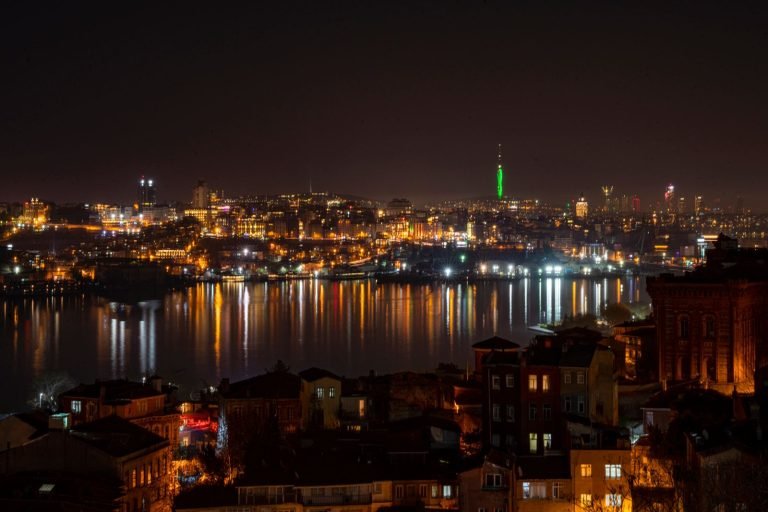
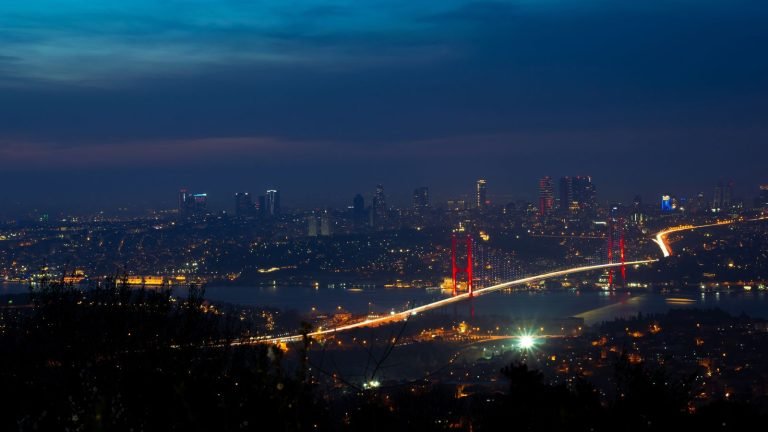
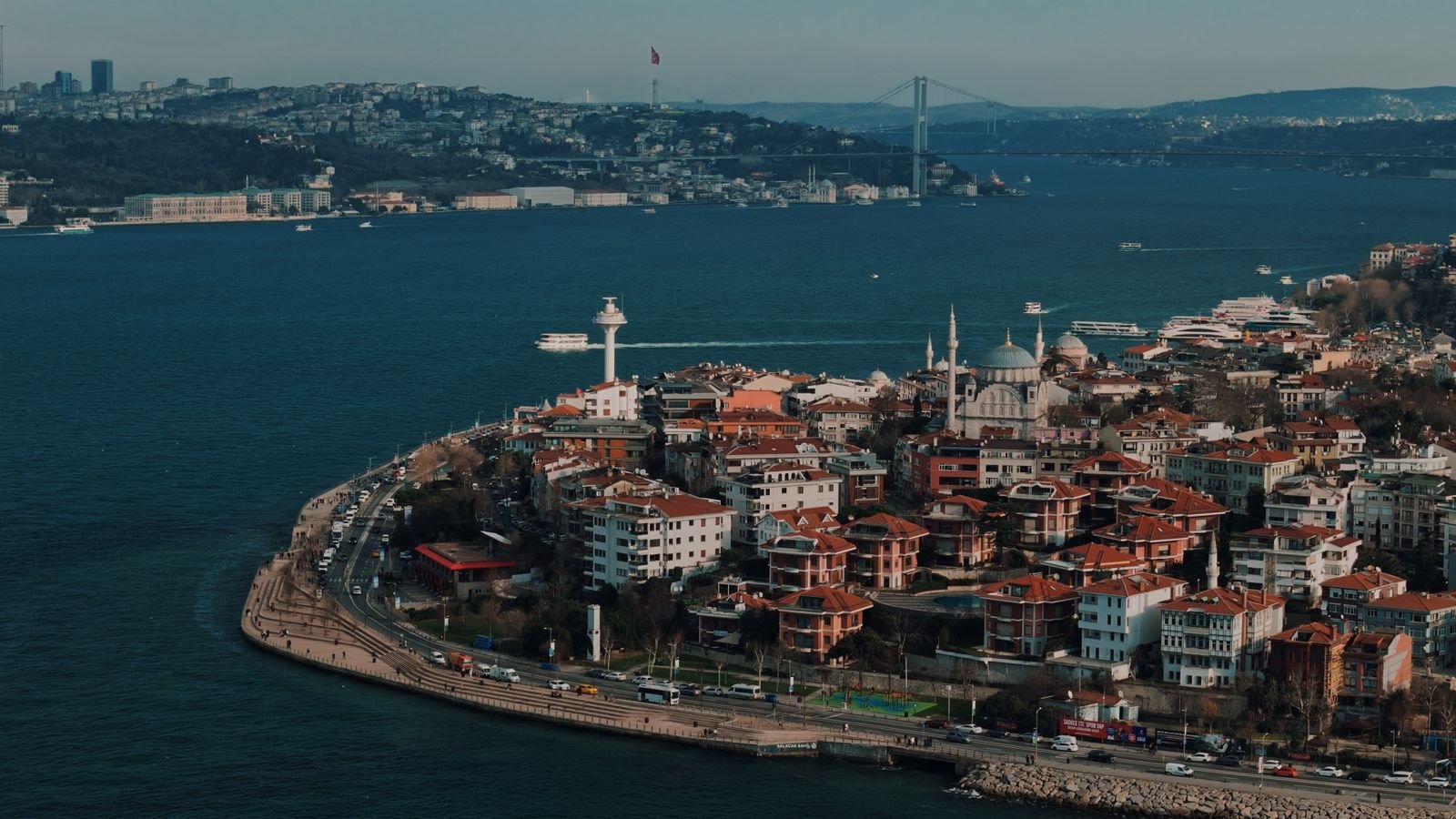
1. Istanbul is split between Europe and Asia. The Bosphorus strait runs through the city, so millions of people cross between continents every day by ferry, bridge, road tunnel or the Marmaray rail tunnel. Our Bosphorus cruise guide shows the easiest way to do it yourself.
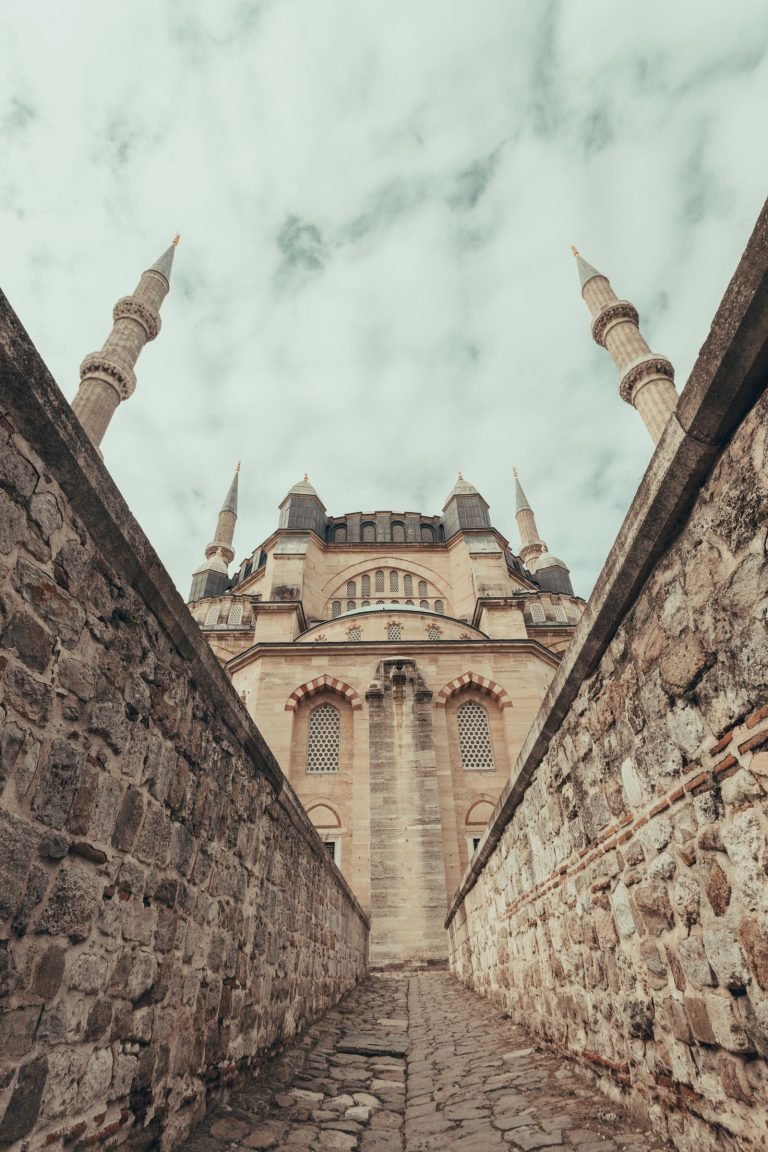
2. Only a small corner of Turkey is in Europe. Britannica notes that nearly all of the country is in Asia. The European part is Eastern Thrace, the land around Edirne and western Istanbul.
3. Turkey has eight neighbours. They are Greece, Bulgaria, Georgia, Armenia, Azerbaijan (via its Nakhchivan exclave), Iran, Iraq and Syria.
4. The capital is Ankara, not Istanbul. Ankara was the base of the national movement and was confirmed as the capital when the Republic was proclaimed in 1923. More in how the Turkish Republic was founded.
5. The highest peak is Mount Ararat. Known in Turkish as Ağrı Dağı, it rises to about 5,165 metres (Britannica’s figure) near the borders with Iran and Armenia. The first recorded ascent was in September 1829.
6. The biggest lake is too salty to drink. Lake Van in the east covers about 3,713 square kilometres, and its water is rich in sodium carbonate, so it is no use for drinking or irrigation.
7. Turkey has an inland sea of its own. The Sea of Marmara lies between the Bosphorus and the Dardanelles, partly separating the European and Asian halves of the country. Add the Black Sea, the Aegean and the Mediterranean and Turkey has coast on four seas.
Food and drink facts
8. Most of the world’s hazelnuts are Turkish. According to the Dutch government’s agricultural office in Turkey, the country grows about 67% of the world’s hazelnuts, mostly along the Black Sea coast.
9. It also leads the world in figs, cherries and apricots. The same source puts Turkey’s share of world production at 27% for figs, 26% for cherries and 23% for apricots.
10. Turkish coffee is on UNESCO’s heritage list. Turkish coffee culture and tradition was inscribed in 2013. It is served in small cups with a glass of water, and the grounds left in the cup are used for fortune-telling. See our guide to Turkish coffee and tea.
11. Tea, not coffee, is the everyday drink. It comes in small tulip-shaped glasses, at breakfast, in shops and in offices.
12. A wedding stew is also on the UNESCO list. Keşkek, wheat and meat cooked overnight in big cauldrons and then beaten with wooden mallets, was inscribed in 2011 as a ceremonial tradition served at weddings and religious holidays.
13. Gaziantep’s baklava is legally protected in the EU. Antep baklava was registered as a protected geographical indication in December 2013, the first Turkish product to gain that status. Try it in Gaziantep or read our Turkish desserts guide.
14. You can still buy Turkish delight from a shop opened in 1777. Hacı Bekir began making lokum in a small shop at Bahçekapı in Istanbul in 1777, and the same family has run it for five generations.

History facts
15. Santa Claus has Turkish roots. The real St Nicholas was a 4th-century bishop of Myra, near modern Demre on the Lycian coast. Italian sailors took his relics to Bari in 1087, and Dutch settlers later carried his legend to New Amsterdam (New York), where he became Santa Claus (Britannica). Demre is an easy day out from Kaş.
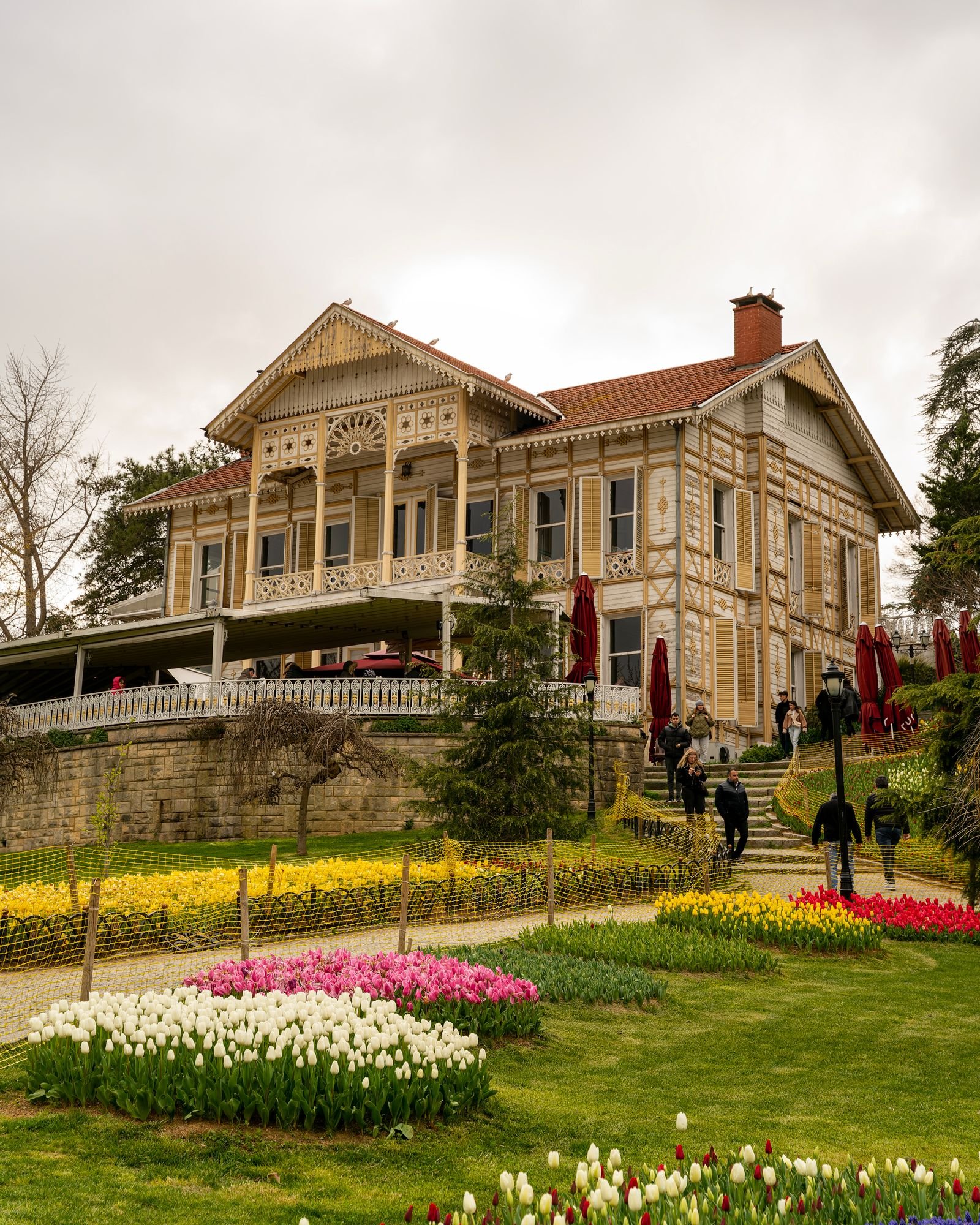
16. Europe’s tulips came via the Ottomans. The Habsburg ambassador Ogier Ghiselin de Busbecq saw tulips in Edirne in 1551 and later sent seeds to Austria, and a shipment of bulbs from Constantinople reached Antwerp in 1562. The Dutch “tulip mania” followed in 1633 to 1637.
17. Troy was a real city. The site near Çanakkale has about 4,000 years of history in its layers, and Heinrich Schliemann began the first excavations in 1870. Visit it from our Troy guide.
18. Two of the Seven Wonders of the ancient world stood in Turkey. The Temple of Artemis at Ephesus and the Mausoleum at Halicarnassus, modern Bodrum.
19. “Mausoleum” is named after a ruler of ancient Bodrum. Mausolus ruled Caria and died around 353 BC. His tomb at Halicarnassus was so grand that his name became the word for any monumental tomb.
20. Çatalhöyük had no streets. At this Neolithic town near Konya, lived in from about 7400 to 6200 BC, the houses were built back to back and people climbed in through the roofs. See our Çatalhöyük guide.
21. The Nicene Creed was agreed in Turkey. The first ecumenical council of the Christian church met at Nicaea, today’s İznik, in AD 325.
22. Hagia Sophia was built in five years. UNESCO dates it to 532 to 537. Both of its architects, Anthemios of Tralles and Isidoros of Miletus, came from western Anatolia. Read our Hagia Sophia guide.
23. The Ottoman Empire lasted more than six centuries. From about 1299 to 1922, ruled in turn from Bursa, Edirne and Istanbul. Our Turkey history timeline puts it in context.
24. Noah’s Ark on Ararat is a legend, not a finding. A long tradition links Mount Ararat with the place where the Ark came to rest. The Bible actually speaks of the “mountains of Ararat”, a name that matches the ancient kingdom of Urartu, and no ark has ever been found.
Language facts
25. Turkish switched alphabets almost overnight. A law of 1 November 1928 replaced the Arabic-based script with a 29-letter Latin alphabet. Our page on the Turkish alphabet reform explains how the country learned to read again.
26. Turks had no official surnames until 1934. The Surname Law of 1934 required every family to choose one, and in November that year parliament gave Mustafa Kemal the surname Atatürk. More in our Atatürk guide.
27. You already speak some Turkish. Merriam-Webster traces “yoghurt” to Turkish yoğurt, “kiosk” to köşk (a garden pavilion) and “tulip” to tülbent, meaning turban, probably because of the flower’s shape.
28. Some villagers talk by whistling. In the steep mountains of the eastern Black Sea region, farmers developed a whistled form of Turkish to talk across valleys, notably around Kuşköy in Giresun province. UNESCO added it to its urgent safeguarding list in 2017, as mobile phones replace it.
29. The country’s name at the UN is Türkiye. The UN registered the change in June 2022 after a request from the Turkish government.
30. Two Turkish words will get you a long way. “Merhaba” (hello) and “teşekkürler” (thank you). Our Turkish phrases guide has the rest, with pronunciation.
Everyday life facts
31. The whole country stops at 09:05 on 10 November. Sirens sound and traffic halts for a minute’s silence on the anniversary of Atatürk’s death in 1938. It is not a public holiday, so shops stay open. See our public holidays guide.
32. Christmas is a normal working day. New Year’s Day is the holiday, and many Turkish families put up a decorated tree and swap presents at New Year instead.
33. Oil wrestling has its own UNESCO listing. At the Kırkpınar festival in Edirne, wrestlers coated in olive oil and wearing leather trousers called kıspet compete for a golden belt to the sound of drums and shawms. UNESCO inscribed Kırkpınar in 2010. See our guide to sports in Turkey.
34. The Grand Bazaar closes on Sundays. It also shuts on the first day of each Bayram. See our Grand Bazaar guide.
35. Rumi wrote in Persian, but he is buried in Konya. The poet, known in Turkey as Mevlânâ, died there in 1273, and his followers founded the Mevlevi order of whirling dervishes. Read about him on our Rumi page.
Record-breaking facts
36. Göbekli Tepe is one of the oldest monumental sites ever found. Hunter-gatherers raised its carved T-shaped pillars, some 5.5 metres tall, between about 9600 and 8200 BC, according to UNESCO. That is more than 6,000 years before the first earthwork at Stonehenge, which English Heritage dates to around 3000 BC. Visit with our Göbekli Tepe guide.

37. The first known peace treaty was signed by an Anatolian empire. After the Battle of Kadesh in 1275 BC, the Hittites and Egypt agreed a non-aggression pact about fifteen years later, which Britannica calls the first known example in history. The Hittite capital, Hattusa, can be visited from Ankara.
38. Coins were born here. The Lydians of western Anatolia, ruling from Sardis, are said to have been the first to strike gold and silver coins. Their last king, Croesus, was so rich that “as rich as Croesus” is still an English saying. See our Sardis guide.
39. Turkey has 22 UNESCO World Heritage Sites. That is UNESCO’s own count. Our UNESCO sites guide covers them all.
40. It holds a bridge record. The 1915 Çanakkale Bridge across the Dardanelles opened on 18 March 2022 with a main span of 2,023 metres, longer than any other suspension bridge in the world at the time. Both numbers are deliberate: 1915 for Gallipoli, 2023 for the Republic’s centenary. Read our Gallipoli campaign page.
Watch: the oldest temple in the world
In this short BBC clip from the series Human, Ella Al-Shamahi visits Göbekli Tepe.
Video: The OLDEST temple in the world – BBC by BBC
Frequently asked questions
What is Turkey best known for?
Istanbul, Cappadocia, its beaches, its food, from kebabs to baklava, and its ancient sites such as Ephesus and Troy. Our list of what Turkey is famous for has 25 examples.
Was Santa Claus really Turkish?
The man behind the legend, St Nicholas, was a 4th-century bishop of Myra, a Greek-speaking Christian city in what is now Demre in southern Turkey. Santa Claus himself grew out of later Dutch and American traditions.
Did Noah’s Ark land on Mount Ararat?
That is a religious tradition, not an established fact. No remains of an ark have ever been confirmed on the mountain.
How old is Göbekli Tepe?
Its stone enclosures were built between about 9600 and 8200 BC, so the oldest parts are more than 11,000 years old.
Keep planning
- Turkish culture: the complete guide
- Turkey history timeline
- What is Turkey famous for?
- Turkish coffee and tea
- Turkish traditions and superstitions
- The evil eye (nazar)
- Things that surprise visitors to Turkey
- Turkish food to try
- The Ottoman Empire: a traveller’s history
- Turkish customs and etiquette
Prices and opening details checked in November 2026. Confirm on the official page before you go. Sources: UNESCO World Heritage and Intangible Cultural Heritage lists; Britannica (Turkey, Mount Ararat, Lake Van, Sea of Marmara, tulip, Lydia, Hittite, Battle of Kadesh, Council of Nicaea, Saint Nicholas, Mausoleum of Halicarnassus); Merriam-Webster etymologies; Netherlands agricultural office in Türkiye (2020); EU Regulation 1399/2013; English Heritage; Hacı Bekir; ENR (March 2022); Al Jazeera (June 2022).