Dates: 17th century; the Ministry of Culture gives a birth around 1606 and death in 1679 or 1689
Known for: the great love poet of the Turkmen nomads; songs of mountains, migration, beauty and parting
Where to go: the Çukurova plain and the Taurus Mountains around Adana and Mersin; the tomb most often credited to him is in Karacaoğlan village, Mut district, Mersin
Karacaoğlan is the folk poet Turks reach for when they want to talk about love. Where Pir Sultan Abdal sang of faith and defiance, Karacaoğlan sang of a girl at a spring, the smell of summer pastures and the grief of leaving home, in a voice so direct that it still sounds modern.
Here is what is known about him, what to listen for in his poems, how to read him in English and where his country lies on a map of southern Turkey. It belongs with our guide to famous Turkish poets.
Life: a poet of the Turkmen camps
As with most folk poets, almost nothing about Karacaoğlan is documented. The Ministry of Culture and Tourism’s summary gives a birth around 1606 and a death in 1679 or 1689, and notes that nothing about his life is certain. Older writers placed him a century earlier, and some scholars think more than one poet sang under the name.
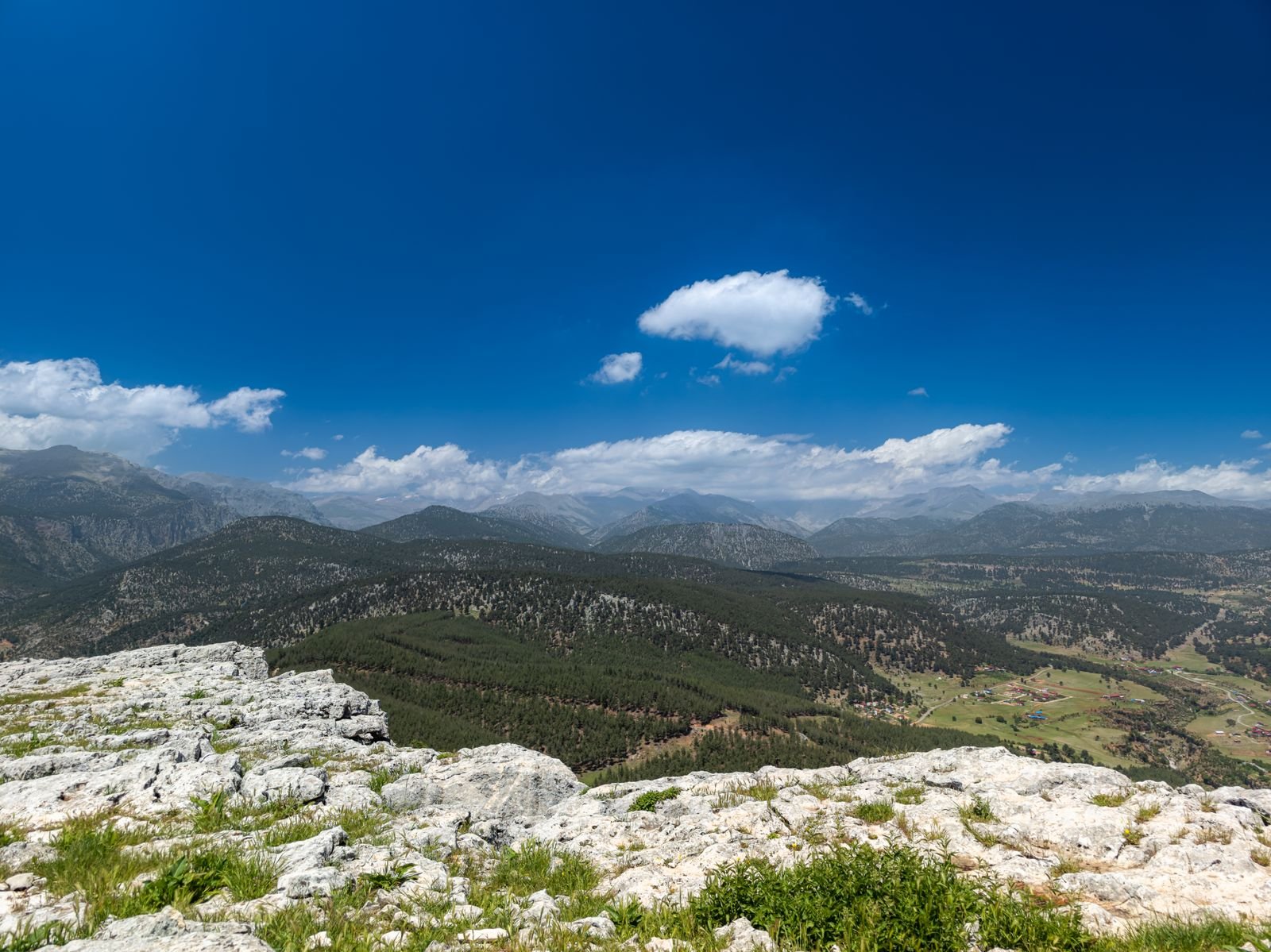
What is clear is his world. He belonged to the Turkmen tribes who moved each year between the Çukurova plain around Adana and the summer pastures (yayla) of the Taurus Mountains. Several villages claim his birth, among them Varsak near Kozan and villages in Feke, Silifke, Mut and Gülnar, and several Turkmen groups claim him as their own. His poems mention journeys to Bursa, Istanbul, Egypt and beyond, but most of his life seems to have been spent between Çukurova, Maraş and Antep.
His grave is disputed too. One early account says he died at about 96 on a plateau near Maraş. More recent research points to a grave on a hill above the village of Çukur in Mut district, Mersin, which was renamed Karacaoğlan in his honour.
Poetic style and themes
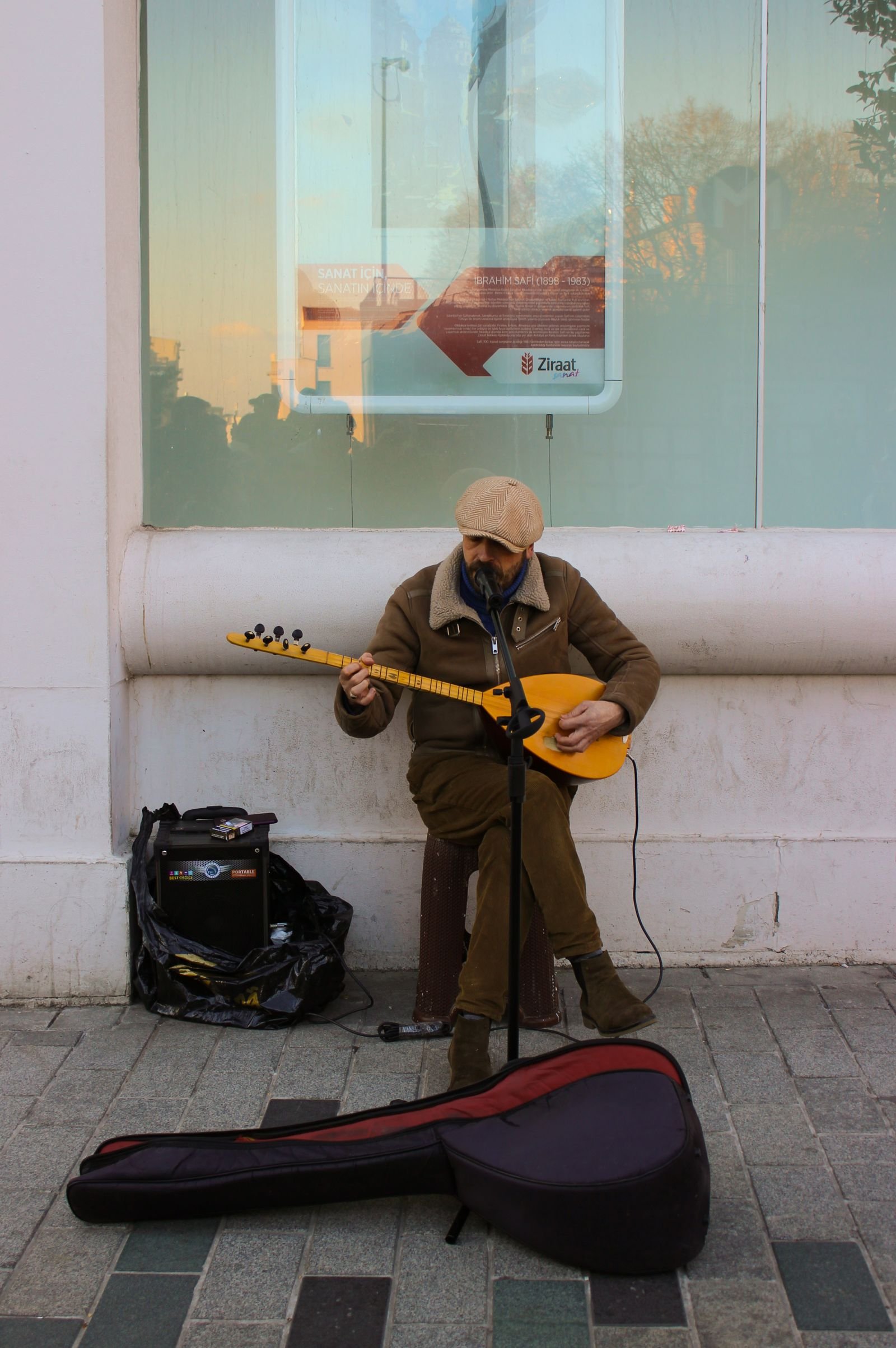
Karacaoğlan composed as an âşık, a poet-singer with a bağlama, and his poems were passed on by other singers for generations before anyone wrote them down. More than 500 are now recorded. He used the folk forms of the koşma, semai and varsağı in lines of eleven or eight syllables, with half-rhyme and refrains, and almost no Arabic or Persian words.
His great subjects are love and nature, and the two are never far apart: a beloved is described through mountains, snow, cranes and running water. He also writes about leaving home, poverty, separation and death, with a frankness and humour that court poets of his time would never have allowed themselves. Unlike most of the âşık tradition, his poetry is rarely religious.
Key works
- “İncecikten Bir Kar Yağar” (A Fine Snow Is Falling), his best-known poem, still sung as a folk song.
- “Yürü Bire Yalan Dünya” (Go On, You False World).
- “Var Git Ölüm” (Go Away, Death).
- “Elif”, one of several love poems addressed to a girl of that name.
Legacy
Karacaoğlan’s poems have been collected and studied since the 1920s, and many are now standard folk songs (türkü) that most Turks know by heart. His directness shaped later folk poets and, through them, modern Turkish poetry. UNESCO’s listing of Turkey’s âşık tradition in 2009 describes exactly the kind of poet-singer he was.
Where to find Karacaoğlan in Turkey
- Karacaoğlan village, Mut, Mersin. A small Turkmen farming village at about 1,100 metres in the Taurus, roughly 65 km from the town of Mut. The grave on the hill is the one most often credited to him. Its upkeep has been patchy over the years, so treat it as a pilgrimage to a landscape rather than a museum visit, and go by car.
- The Çukurova plain. The flat, hot farmland around Adana is the setting of his poems, and of Yaşar Kemal’s novels three centuries later. Adana is also the home of the kebab that bears its name, one of the Turkish foods to try.
- The yaylas. In summer, Turkmen families still move herds up to Taurus pastures above Mersin and Adana. A mountain drive in June to September shows you the world of his songs; our guide to driving in Turkey covers hire cars and mountain roads.
- Istanbul’s türkü bars. Ask for “İncecikten Bir Kar Yağar” in any Beyoğlu folk bar.
Read, watch and listen next
- The Penguin Book of Turkish Verse (1978): a small selection in English.
- Talât S. Halman’s anthologies of Turkish folk poetry, which include several of his poems.
- Listen: folk recordings of “İncecikten Bir Kar Yağar”; many leading folk singers have sung it.
Video: Âşıklık (minstrelsy) tradition by UNESCO (2009, English). There is no good English film about Karacaoğlan himself; this one shows the tradition he belonged to. Watch on YouTube.
Sources: the Ministry of Culture and Tourism’s page on Karacaoğlan and UNESCO’s entry for the âşıklık (minstrelsy) tradition.
Frequently asked questions
When did Karacaoğlan live?
Most sources now place him in the 17th century, with a birth around 1606, though older books say the 16th. Nothing about his life is documented with certainty.
Where is Karacaoğlan buried?
Several places claim him. The grave most often credited to him is on a hill in Karacaoğlan village, Mut district, Mersin province.
Is Karacaoğlan a religious poet?
Mostly not. Unlike Yunus Emre or Pir Sultan Abdal, he wrote above all about love, nature and everyday life.
Related reading
- Famous Turkish poets: 12 names to know
- Pir Sultan Abdal
- Yunus Emre
- Orhan Veli Kanık
- Yaşar Kemal, the novelist of Çukurova
- Things to do in Antalya, the easiest Taurus base from the UK
- Famous Turkish singers and musicians
Prices and opening details checked in November 2026. Confirm on the official page before you go.