Dates: 1902, Salonica (now Thessaloniki), to June 1963, Moscow
Known for: the poet who brought free verse into Turkish; love poems and epics written in prison; one of the best-known Turkish poets abroad
Where to go: Istanbul, where he grew up, and Bursa, where he spent years in prison; his grave is in Moscow
Nazım Hikmet is the modern Turkish poet most people outside Turkey have read, and inside Turkey his love poems are quoted at weddings and printed on posters. His life was as dramatic as his work: years in prison, an international campaign for his release, exile, the loss of his citizenship and its return 46 years after his death.
This page sets out his life plainly, explains what made his poetry new, and suggests the best English translations and the places in Turkey linked to him. It is part of our guide to famous Turkish poets.
Life: prison, exile and return
Nazım Hikmet was born in 1902 in Salonica, then an Ottoman city, into a family of officials and pashas, and grew up in Istanbul. He attended the naval school on Heybeliada, one of the Princes’ Islands, and published his first poems as a teenager. In 1921 he went to Moscow, studied there and came home a convinced communist and an admirer of the Russian Futurist poets.
Back in Turkey his writing and politics brought repeated arrests in the 1920s and 1930s. In 1938 a military court convicted him of inciting mutiny in the armed forces, on the grounds that cadets had been reading his poems, and sentenced him to more than 28 years. He served about 12, in prisons in Istanbul, Ankara, Çankırı and Bursa, and wrote much of his greatest work inside. An international campaign and a hunger strike preceded his release under an amnesty in 1950.
In 1951 he left Turkey secretly. That year the government stripped him of Turkish citizenship. He lived in the Soviet Union and Eastern Europe, travelled widely, and died in Moscow in June 1963. He is buried in the city’s Novodevichy Cemetery. In January 2009 the Turkish government restored his citizenship.
Poetic style and themes
Nazım Hikmet broke the rules of Turkish verse. Influenced by Mayakovsky, he wrote in free verse, with lines staggered across the page, conversational rhythms and long cinematic sequences. He wrote with equal force about politics, history and love, and the love poems he wrote from prison to his wife Piraye are among the most famous in the language.
His great themes are the dignity of ordinary people, hope, and a stubborn love of life, even in a cell. He described himself as a poet of his country and of the world, and his epic portraits of Turkish workers, soldiers and villagers are as rooted in Anatolia as any folk poem.
Key works
- Şeyh Bedreddin Destanı (The Epic of Sheikh Bedreddin), 1936, about a 15th-century rebel preacher.
- Memleketimden İnsan Manzaraları (Human Landscapes from My Country), an epic of some 20,000 lines written largely in prison and published after his death.
- “Yaşamaya Dair” (On Living), his best-known short poem.
Legacy
For decades his books were banned or restricted in Turkey, and Britannica describes his long sentence as punishment for “radical and subversive activities”. Since the 1960s he has become one of the most read and sung Turkish poets: his work has been set to music by many Turkish composers and singers, and translated into dozens of languages.
Where to find Nazım Hikmet in Turkey
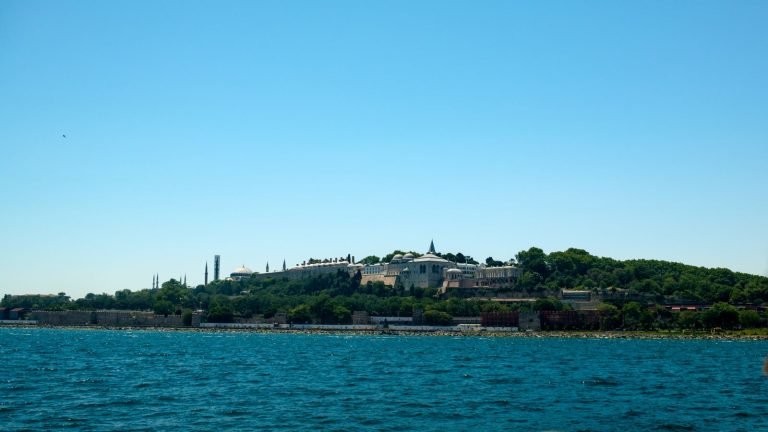
- Istanbul. The city of his youth and of many of his poems. A ferry to Heybeliada, where he attended the naval school, makes an easy half-day out on the water. See day trips from Istanbul.
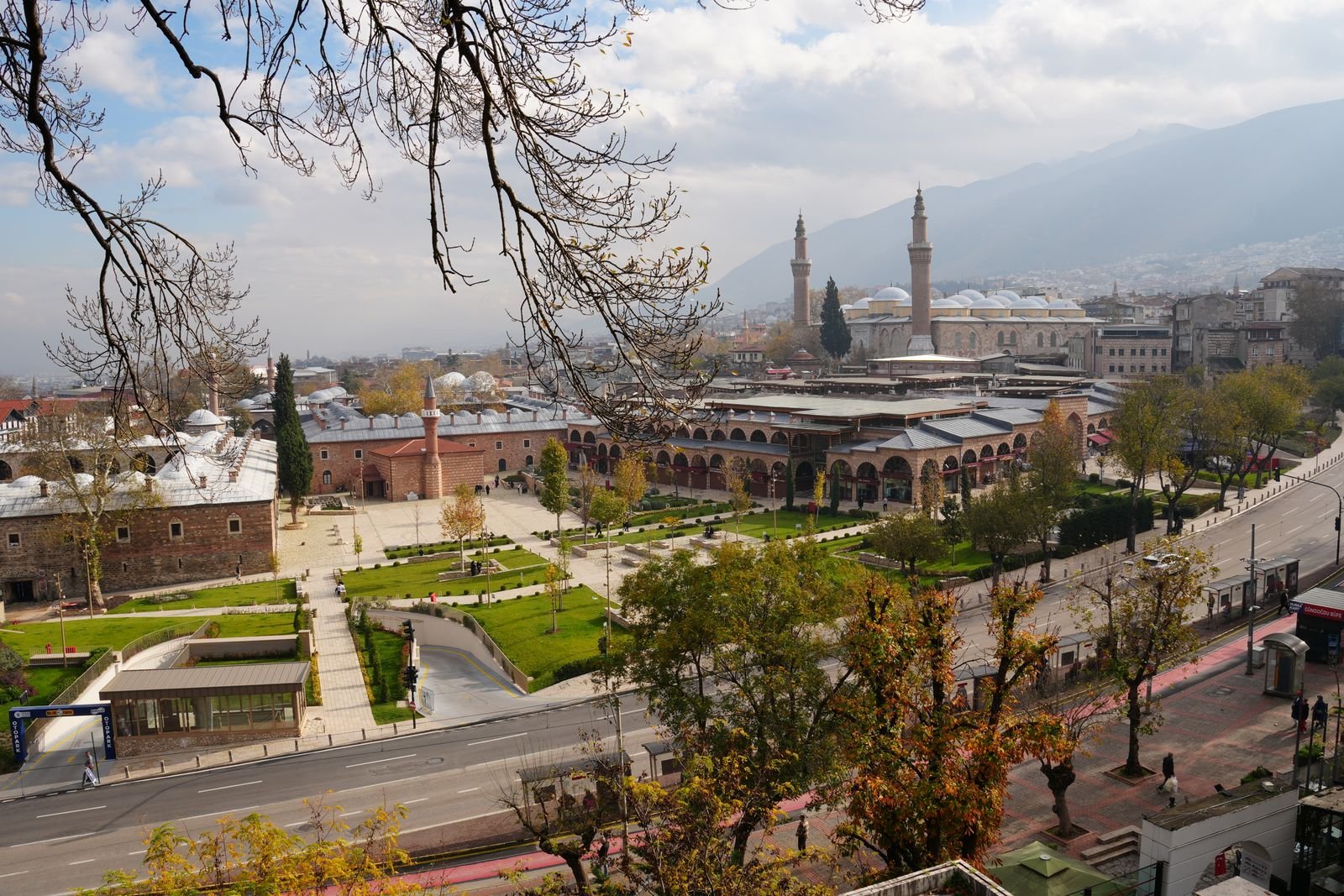
- Bursa. He spent much of his sentence in Bursa prison and wrote some of his best-known work there. The old prison is not a museum, so read him in the city instead, perhaps in a tea garden on Tophane hill. Our Bursa guide covers the rest.
- Bookshops. Bilingual and English editions of his poems are easy to find in Istanbul, in Beyoğlu and Kadıköy especially.
- Moscow. His grave in Novodevichy Cemetery, marked by a carved headstone, is visited by Turkish admirers every year.
Read, watch and listen next
- Randy Blasing and Mutlu Konuk, Poems of Nazim Hikmet (Persea Books): the standard selection in English.
- Randy Blasing and Mutlu Konuk, Human Landscapes from My Country (Persea Books): the full epic.
- Ruth Christie, Richard McKane and Talât S. Halman, Beyond the Walls (Anvil Press): a London-published selection.
- Mutlu Konuk Blasing, Nâzım Hikmet: The Life and Times of Turkey’s World Poet: the biography in English.
Video: Nazim Hikmet: A Poet in Exile by Caravan, The Art of Wayfaring (2020, English). Watch on YouTube.
Sources: Britannica on Nazım Hikmet and Poetry International’s report on the 2009 restoration of his citizenship.
Frequently asked questions
Why was Nazım Hikmet imprisoned?
In 1938 a military court convicted him of inciting mutiny in the armed forces, linked to his communist views and cadets reading his poems. He served about 12 years before an amnesty in 1950.
Is Nazım Hikmet buried in Turkey?
No. He died in Moscow in 1963 and is buried in Novodevichy Cemetery there.
Was his citizenship restored?
Yes. He lost it in 1951, and the Turkish government restored it in January 2009.
Related reading
- Famous Turkish poets: 12 names to know
- Orhan Veli Kanık
- Can Yücel
- Tevfik Fikret
- Famous Turkish writers and novelists
- How the Turkish Republic was founded
- Things to do in Istanbul
Prices and opening details checked in November 2026. Confirm on the official page before you go.