Most advice on what to wear in Turkey is really about two things: the weather and a few places where covering up is expected. Neither is complicated. Turkey is a modern, mixed country, and visitors in ordinary holiday clothes are the norm in tourist areas.
This guide separates actual rules (mostly at mosques) from local norms (which vary by place), then goes season by season and setting by setting, with a packing checklist at the end. It is practical advice, not a dress code you need to fear.
What to wear in Turkey: what is normal for visitors?
Wear whatever you would wear on a holiday in Spain or Greece, and adjust for where you are. The Irish Department of Foreign Affairs says dress in tourist areas is similar to Europe’s, while it can be more conservative in rural areas, small towns and some neighbourhoods of larger cities (DFA travel advice). The FCDO asks visitors to dress modestly at mosques and religious shrines (FCDO safety and security).
Our customs and etiquette guide gives the short version. Below is the longer, place-by-place one.
What is a rule and what is just a norm?
Real rules are few. At mosques, the dress code is enforced at the door: Hagia Sophia checks it at the entrance, and Blue Mosque staff refuse shorts above the knee. Official advice for the rest of the country talks about respect and local dress codes, not a list of banned clothing, and we found no national rule in the FCDO or DFA advice on what visitors wear in the street.
Everything else is a norm. It varies by neighbourhood, and it is a matter of comfort and courtesy. Covering up in a conservative area is about fitting in and avoiding unwanted attention, not about anything being wrong with what you would normally wear.
| Setting | Rule or norm? | What most visitors wear |
|---|---|---|
| Mosques | Rule, enforced at the door | Shoulders and knees covered; women cover hair |
| Beach resort, hotel pool | Norm: relaxed | Swimwear at the beach or pool; cover-up in town |
| Istanbul, İzmir, Ankara | Norm: relaxed | Shorts, T-shirts and dresses are fine |
| Villages, small towns, religious neighbourhoods | Norm: more conservative | Shoulders and knees covered is the safer choice |
| Hammam | House rules | Provided wrap; swimwear or underwear underneath |
Can women wear shorts and tank tops in Turkey?
Yes, in resorts and in big cities. In Istanbul, İzmir and Ankara, shorts and sleeveless tops are generally fine, while in villages and religious neighbourhoods, covering shoulders and knees is the safer choice for everyone, not just women. Short dresses and mini shorts are common on the coast; in a small inland town, a longer skirt or lightweight trousers will draw less attention.
Leggings are fine for most daytime sightseeing, and a long top over them is more comfortable in conservative areas. For a mosque, the stated rule is legs covered below the knee, but staff decide at the door, so a long skirt or loose trousers is the safer choice. For both men and women, light, loose, breathable clothing is a practical choice in summer anyway.
Do women need to cover their heads in Turkey?
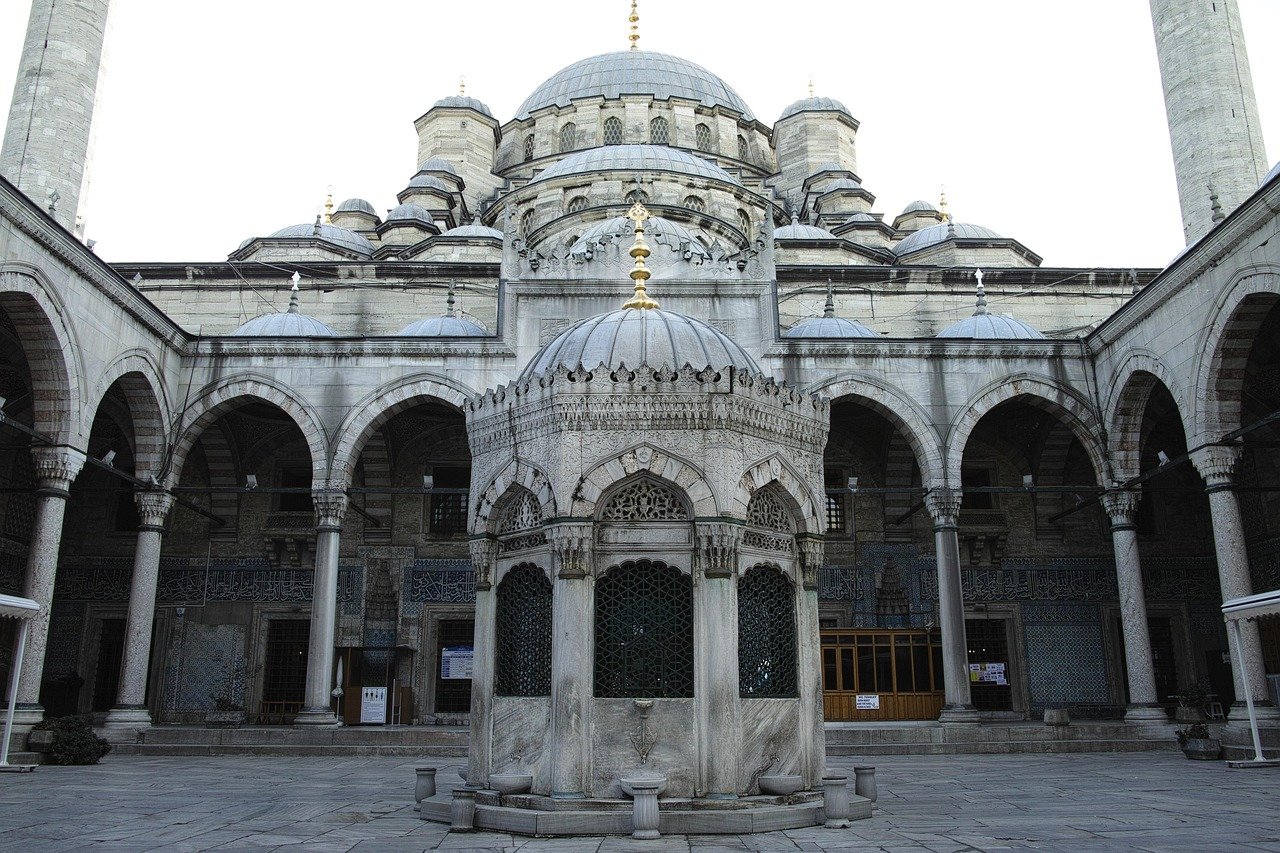
No, not in everyday life. Head covering is expected only when you enter a mosque. At the Blue Mosque and Hagia Sophia, women should cover their hair and wear clothing covering shoulders and legs below the knee; free thin scarves are handed out at the entrance, though bringing your own is better.
What should you wear to a mosque?
Cover shoulders and knees, cover your hair if you are a woman, and take your shoes off before the carpet. Men should avoid shorts above the knee and vest tops, but long shorts or trousers with a T-shirt are fine.
- Blue Mosque: free entry, no timed slot. Shorts above the knee are refused, and free scarves are handed out. See our Blue Mosque guide.
- Hagia Sophia: visitors use a separate paid entrance, bags are X-rayed, and rules are enforced at the door. See our Hagia Sophia guide.
- Prayer times: visits pause around the five daily prayers and for around two hours on Friday midday, so plan around them.
Visiting times differ from mosque to mosque, so check the board at the entrance or the Diyanet prayer times on the day.
What should you wear in each season?
Temperatures vary a lot by region, so pack for where you are going. The figures below are long-term daytime averages from our best time to visit guide and vary year to year.
| Season | Antalya (coast) | Istanbul | Cappadocia | Pack |
|---|---|---|---|---|
| Spring (Apr to May) | 22 to 26°C | 16 to 21°C | 17 to 22°C | Layers, light jacket, swimwear for May |
| Summer (Jun to Aug) | 31 to 34°C | 26 to 29°C | 26 to 30°C | Light cottons, hat, sunglasses, a warm layer for Cappadocia nights |
| Autumn (Sep to Oct) | 26 to 31°C | 20 to 25°C | 19 to 26°C | Summer clothes plus a light jacket |
| Winter (Dec to Feb) | 15 to 16°C | 9 to 11°C | 4 to 6°C | Proper coat, waterproofs, hat and gloves |
Istanbul in winter is cold, grey and often wet, with occasional snow, so a proper coat is worthwhile. In Cappadocia, winter is cold and often snowy. Sea temperatures around Antalya range from about 17°C in winter to 28 or 29°C in July and August.
What should you wear at the beach and resort?
Swimwear is normal on resort beaches and by hotel pools. Away from the water, cover up with a sarong, shirt or shorts when walking into town, shops and restaurants. Water shoes help on pebbly beaches, and sun protection (a hat, sunglasses and long-sleeved cover-up) matters in July and August, when coastal highs are often 34°C or above.
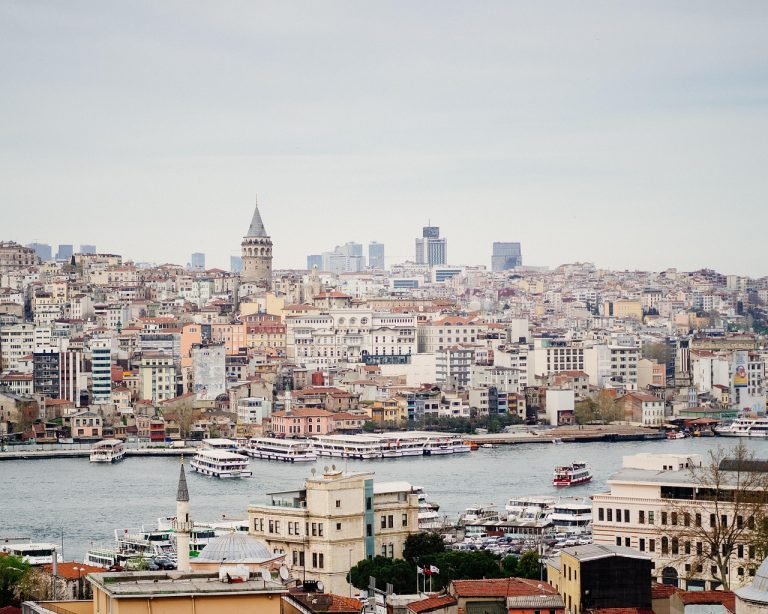
What should you wear in Istanbul?
Comfortable walking shoes matter more than any dress code. Istanbul involves hills, steps, tram stops and a lot of uneven paving, so flat, supportive shoes are worth packing. Add a scarf or shawl that works as a mosque cover-up and a warm layer for Bosphorus ferries, which are breezy even in summer. Evenings in restaurants and rooftop bars are casual; smart-casual is plenty.
What should you wear in Cappadocia and the east?
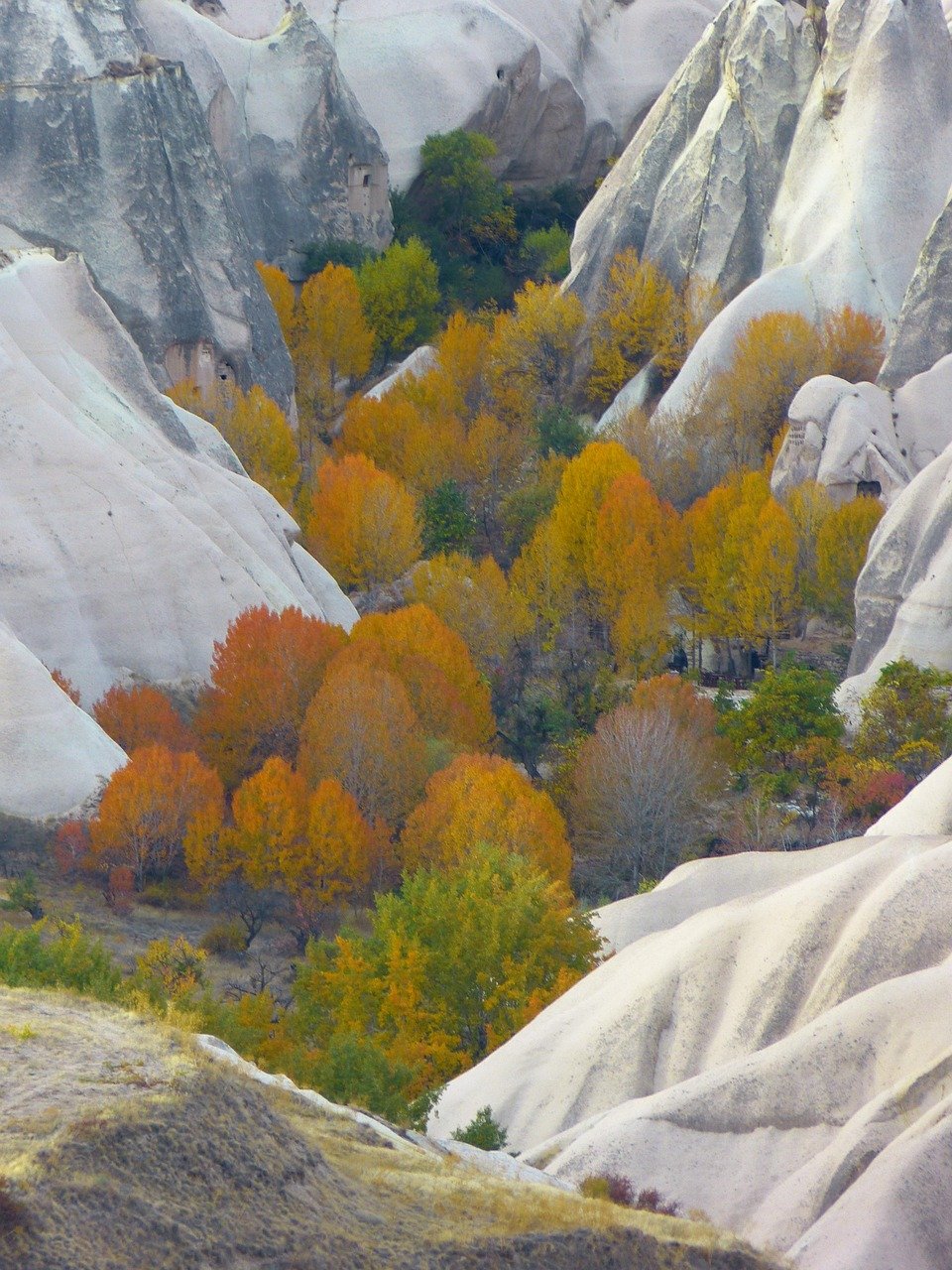
For Cappadocia, think layers and grippy shoes. Wear comfortable layers and flat, closed shoes with grip, because pre-dawn is cold outside summer and freezing in winter. Slippers, heels and slippery soles are ruled out by at least one operator. See the Cappadocia balloon guide.
In rural areas and small towns, the Irish DFA says dress can be more conservative, so shoulders-and-knees-covered clothing is a sensible default. Check the FCDO map before going: it advises against all travel within 10 km of the border with Syria (checked November 2026).
What should you wear to a hammam?
You are given a wrap (peştamal) and wear it in shared areas. Swimwear or underwear under the wrap is fine and common for visitors, and most hammams provide towels, slippers and soap. Bring a change of underwear and a hairbrush, and leave valuables at your hotel or in the lockers. See the Turkish hammam guide.
What should you pack for Turkey?
- Light, breathable tops, shorts and a dress or skirt that covers the knee
- Long trousers or a long skirt for mosques and small towns
- A large scarf or shawl (mosque head covering, sun cover, cool evenings)
- Comfortable, closed walking shoes with grip, plus sandals
- Swimwear and a cover-up
- Sunscreen, sunglasses and a hat
- A warm layer for evenings, Cappadocia mornings and ferries
- Waterproof jacket for autumn to spring
- Insect repellent: TravelHealthPro advises avoiding insect bites day and night (see our guide to mosquitoes in Turkey)
- Enough regular medication for the whole trip, as British prescriptions are not accepted in Turkish pharmacies (FCDO)
- A plug adaptor (see below)
Plug adaptors for Turkey
Bring a UK-to-European plug adaptor: Turkey uses plug types C and F at 230 V and 50 Hz, according to World Standards, and its sockets do not take the three-pin UK type G plug. For voltage, hairdryers and what to check before you buy, read our guide to plug adaptors for Turkey.
Frequently asked questions
Is it safe to wear shorts in Turkey?
In resorts and big cities, yes. In conservative areas, covering your knees is more comfortable and attracts less attention. Neither the FCDO nor the DFA lists shorts as a safety issue.
Can you wear a bikini on Turkish beaches?
Yes, on resort beaches and at hotel pools it is normal. Cover up when you leave the beach for town.
What should men wear to a mosque?
Long trousers or long shorts and a T-shirt. Avoid shorts above the knee and vest tops, which are refused at the Blue Mosque.
Do I need a headscarf in Turkey?
Only to enter mosques, if you are a woman. Free scarves are usually offered at the main sights.
What shoes are best for Istanbul?
Flat, supportive, closed shoes with grip. The city has hills, steps and uneven paving.
Is Turkey cold in winter?
Istanbul and Cappadocia can be. Istanbul is cold and wet with occasional snow, and Cappadocia is often snowy, while Antalya is milder.
Keep planning
- Customs and etiquette in Turkey
- Best time to visit Turkey
- Blue Mosque guide
- Hagia Sophia guide
- Turkish hammam guide
- Visiting Turkey during Ramadan
- Cappadocia hot air balloon guide
Details checked in November 2026. Rules and prices change, so confirm on the official page before you travel.