Known for: “Cemalim”, “Şaşkın”, “Fesupanallah”, the album Elektronik Türküler and the electric bağlama.
Where to go: Kadıköy, the Istanbul district where he was born, and the music shops of Galip Dede Caddesi in Beyoğlu.
Long before Anatolian rock had a name, Erkin Koray was playing rock and roll in Istanbul. Fans call him “Erkin Baba”, Father Erkin, and he is widely regarded as the father of Turkish rock: the musician who took Turkish folk songs, plugged them into fuzz pedals and heavy drums, and made records that are now reissued for listeners far beyond Turkey.
This page covers his life, the songs and albums to start with, and where to follow his story on a trip to Istanbul. For the other founders of the genre and the wider picture, see our hub guide to famous Turkish singers and musicians.
Life: from Kadıköy to Toronto
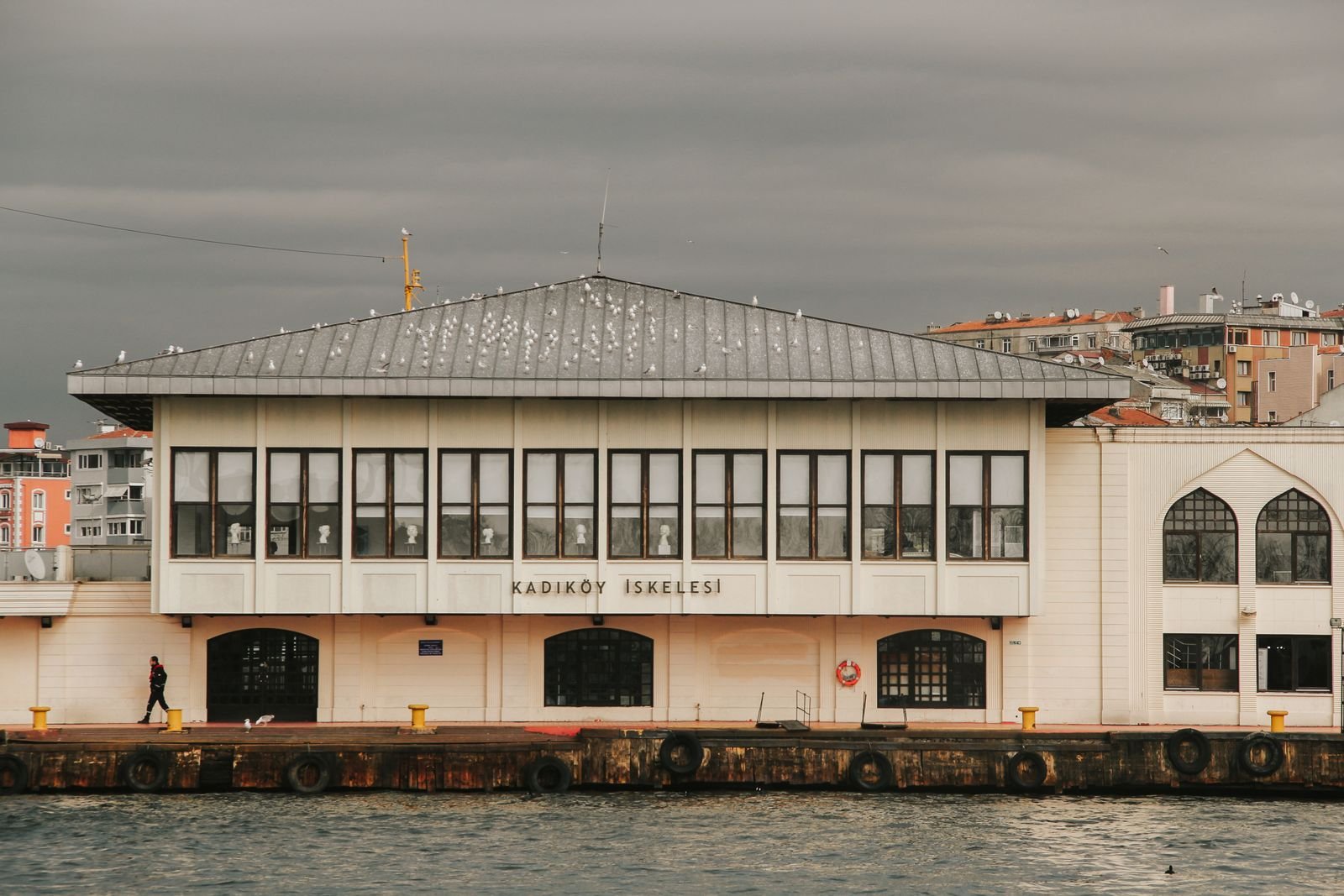
Mustafa Erkin Koray was born in Istanbul on 24 June 1941; Kadıköy, on the Asian side, is usually given as his birthplace. His mother, Vecihe Koray, was a piano teacher and gave him his first lessons. While still a pupil at the German High School in Istanbul he formed his first group, Erkin Koray ve Ritmcileri, playing the rock and roll hits of the day, and he began working in Istanbul’s music venues in 1962.
After military service and a short spell with a German band in Hamburg, he came home and started recording. His first single, in 1966, paired “Bir Eylül Akşamı” with an English-language song. The 1967 single “Kızları da Alın Askere” is often described as one of the first rock songs sung in Turkish, and in 1968 he came fourth in Hürriyet’s Golden Microphone contest with “Meçhul”.
The 1970s were his peak. After a short-lived band, Ter, he released his first solo album, Erkin Koray, in 1973 and then Elektronik Türküler (Electronic Folk Songs) in 1974. Singles from the same years, such as “Şaşkın” and “Cemalim”, are among his best-known recordings. He kept recording through the 1980s and 1990s, from Benden Sana (1982) to Devlerin Nefesi (1999).
In later years he lived in Toronto, Canada. He died in hospital there on 7 August 2023, aged 82, after treatment for lung problems, and was buried in Toronto at his own wish.
His music
Koray’s sound is heavier and stranger than that of most of his contemporaries: long, distorted guitar solos, Anatolian and Arabic melodies, and folk songs stretched into psychedelic jams. He is credited, together with Orhan Gencebay, with creating the electric bağlama, which let the long-necked lute of Turkish folk music compete with electric guitars on stage. “Fesupanallah” is his adaptation of a song by the composer Samir Yazbek.
Signature songs
- “Cemalim” (1974)
- “Şaşkın” (1974)
- “Fesupanallah”
- “Sevince”
- “Öyle Bir Geçer Zaman ki”
Key albums
- Erkin Koray (1973)
- Elektronik Türküler (1974), the place to start
- 2 (1976)
- Erkin Koray Tutkusu (1977)
Father of Turkish Rock Passes, the opening segment (about two and a half minutes) of an English-language episode of TRT World’s culture programme Showcase, August 2023. Watch on YouTube.
Legacy and honours
Koray’s honours were never about trophies; his best-known competition result is that fourth place at the 1968 Golden Microphone. His reputation rests on the records. Reissues of his 1970s albums, and the wider international revival of Anatolian rock, have introduced him to a new audience outside Turkey.
When he died in 2023, Turkish media and fellow musicians paid tribute to him as one of the forefathers of Anatolian rock and a guardian of Anatolia’s musical heritage.
Where to experience his legacy in Turkey
There is no Erkin Koray museum, and his grave is in Canada, not Turkey. But Istanbul is still the best place to hear what he started.
Kadıköy
Kadıköy, the district where he was born, is known today for its bars and small live-music venues, where Anatolian rock is part of the soundtrack. Take the ferry over from Eminönü or Karaköy in the evening and check local listings. The same trip can take in the Barış Manço House in nearby Moda.
Galip Dede Caddesi, Beyoğlu
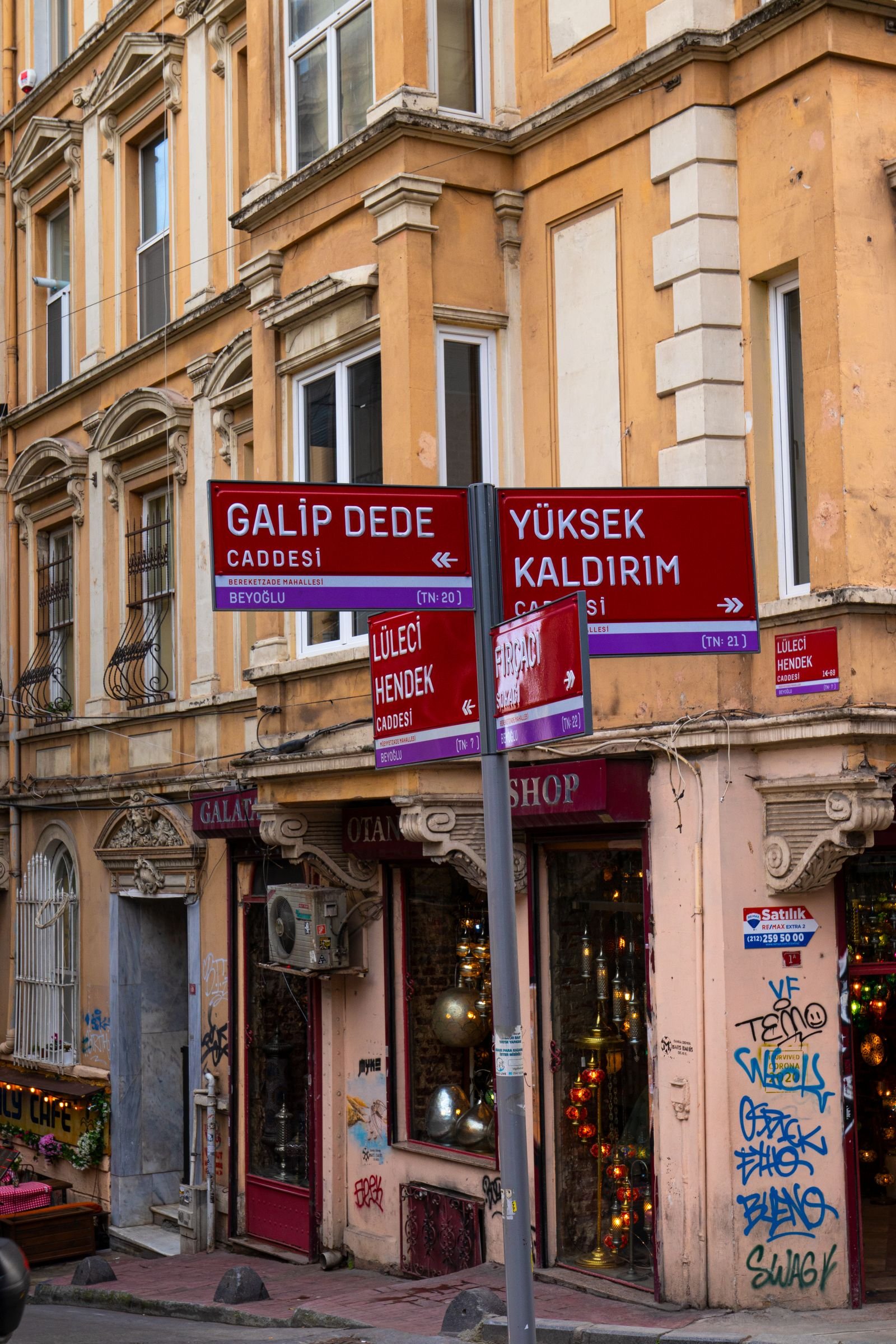
If the electric bağlama sound hooks you, walk down Galip Dede Caddesi between Tünel and the Galata Tower, where dozens of shops sell bağlamas, ouds and other instruments. See our Istanbul souvenirs guide for more shopping ideas (checked November 2026).
Listen next
Then hear his fellow pioneers Cem Karaca and Barış Manço, and his electric-bağlama partner Orhan Gencebay.
Frequently asked questions
Why is Erkin Koray called the father of Turkish rock?
He was playing rock and roll in Istanbul from the early 1960s, recorded some of the first rock songs in Turkish, and helped create the electric bağlama.
Where is Erkin Koray buried?
In Toronto, Canada, where he lived in his last years and died in August 2023.
Which Erkin Koray album should I buy first?
Elektronik Türküler (1974), which shows his folk-meets-psychedelic style at its best. Then add “Cemalim” and “Şaşkın”.
Related reading
- Famous Turkish singers and musicians
- Cem Karaca: life, songs and legacy
- Barış Manço: life, songs and legacy
- Orhan Gencebay
- Things to do in Istanbul
- Istanbul souvenirs
- Istanbulkart and public transport
Sources: Daily Sabah: Turkish rock legend Erkin Koray dies at 82; Bianet: Anatolian rock pioneer Erkin Koray passes away.
Prices and opening details checked in November 2026. Confirm on the official page before you go.