Known for: bağlama virtuoso and the central figure of arabesk, a label he rejects; co-founder of Kervan Plak (1972).
Start with: “Bir Teselli Ver” and the album Batsın Bu Dünya (1975).
Where to experience it: Samsun, his home city; the bağlama shops and türkü bars of Beyoğlu, Istanbul.
Orhan Gencebay is the musician most Turks name first when they talk about arabesk, the emotional, string-heavy music of the 1970s and 1980s. He is also a virtuoso on the bağlama, a prolific composer with more than a thousand works, a former film star and the man who built one of Turkey’s most important record labels. He has never liked the word “arabesk” for any of it.
He features in our guide to famous Turkish singers and musicians. Here is his story in more depth, the records to start with, and where his music fits into a trip.
Life and career
Gencebay was born in Samsun on the Black Sea coast, into a family of Crimean Tatar origin. He started on violin and mandolin at six, took up the bağlama a year later, and as a teenager also learned the tanbur, a long-necked classical lute, and played tenor saxophone in dance bands. He moved to Istanbul and studied at the city’s municipal conservatory.
In 1966 he passed the audition for TRT’s Istanbul Radio and played bağlama there for about ten months, leaving in 1967 because he found the institution’s approach to music too restrictive. In 1966 he had also placed in a national bağlama contest alongside Arif Sağ and Cinuçen Tanrıkorur. For the next few years he played on many folk records and directed music for films.
His first record in his own free style, “Sensiz Bahar Geçmiyor”, came out in 1968, and the 1969 single “Bir Teselli Ver” made him famous across Turkey. On 1 February 1972 he and Yaşar Kekeva founded Kervan Plak, a Turkish-owned label that went on to release records by Erkin Koray, Ajda Pekkan, Sezen Aksu and many others. He starred in around 35 films and TV films, starting with Bir Teselli Ver (1971), and composed for close to 90, before giving up acting after Utan (1990). He has kept releasing albums; the most recent, Maske, came out in 2023.

His music: why it is not just “arabesk”
When TRT’s music committees labelled his records arabesk, a term critics often used dismissively, Gencebay called the word wrong and incomplete. He describes his music as free Turkish music: a mix of Turkish folk and classical music with Western classical writing, jazz, rock, and Arabic, Indian, Spanish and Greek influences. In practice that means bağlama solos, a full string section and long, dramatic songs about loneliness, fate and city life. He has said that “Batsın Bu Dünya”, released in 1975, was a lament for a violent decade in Turkey.
Signature songs
- “Bir Teselli Ver” (1969)
- “Batsın Bu Dünya” (1975)
- “Hatasız Kul Olmaz” (1976)
- “Hor Görme Garibi”
- “Dil Yarası” (1984)
Key albums
- Batsın Bu Dünya (1975)
- Hatasız Kul Olmaz (1976)
- Dil Yarası (1984)
- Yalnız Değilsin (1994)
- Maske (2023)
Honours and legacy
Gencebay was named a State Artist in 1998 and received the Presidential Grand Prize in Culture and Arts in 2015. His records have sold around 65 million legal copies. In 2012 leading Turkish singers recorded his songs for the tribute album Orhan Gencebay ile Bir Ömür, and in 2005 he appeared in Fatih Akın’s documentary Crossing the Bridge: The Sound of Istanbul, in which he plays “Hatasız Kul Olmaz”. Academic writing on Turkish music, such as Martin Stokes’s The Republic of Love, treats him as one of the key figures of the 20th century.
Where to experience his music in Turkey
There are easy ways to connect with his music on a trip. In Istanbul, the instrument shops on Galip Dede Caddesi, below Galata Tower, sell bağlamas at every price. Arabesk is still played in taxis, minibuses and late-night bars, and the türkü bars of Beyoğlu are a good place to hear the bağlama played live.
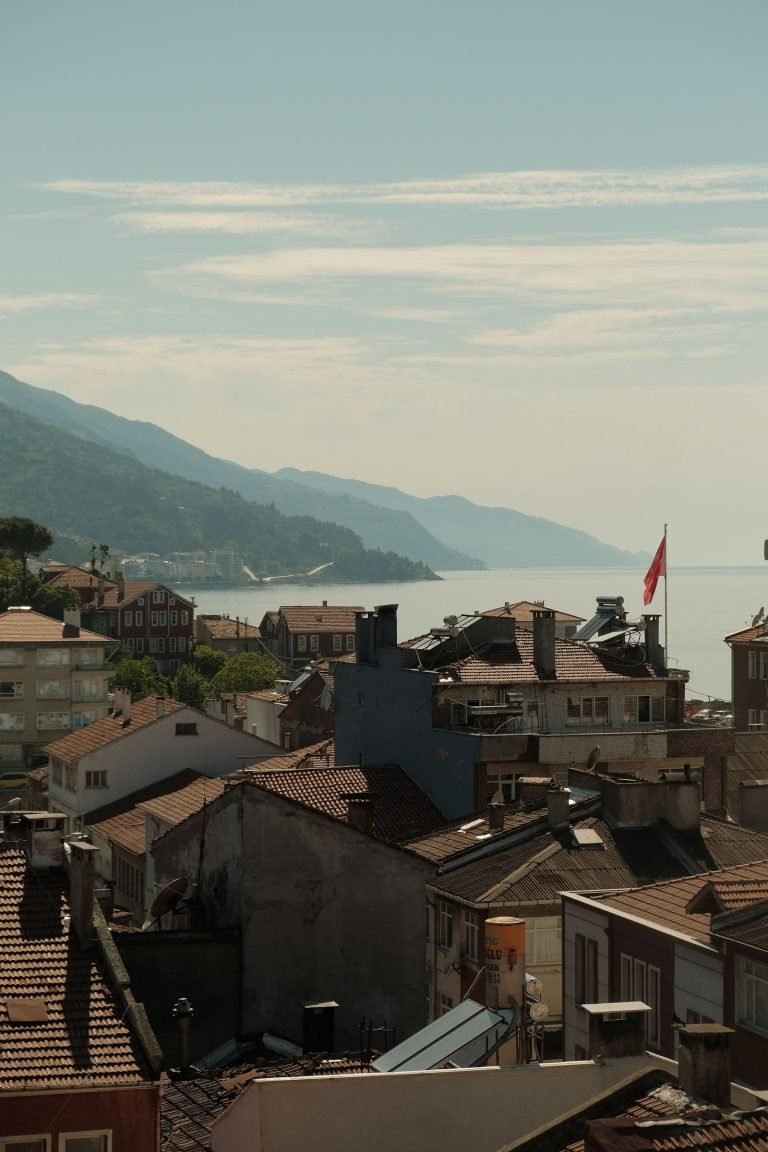
Samsun, his home city, is on the Black Sea coast and has its own airport. For any concert dates, check the news and events pages of his official website.

Listen and watch next
This Al Jazeera English documentary follows Martin Stokes of King’s College London through Turkey to explain how arabesk rose despite official efforts to keep it off the air.
The history of Turkish Arabesque Music, an English-language documentary (Al Jazeera World, Al Jazeera English, January 2023). Watch on YouTube.
- His label’s official YouTube channel: Kervan Plakçılık on YouTube
- Official website: orhangencebay.com.tr
- Read: Martin Stokes, The Republic of Love (University of Chicago Press)
Frequently asked questions
What is arabesk music?
A Turkish style that grew from the 1960s, mixing folk and classical Turkish music with Arabic-style strings and dramatic, sorrowful lyrics. Gencebay, its best-known figure, prefers to call his work free Turkish music.
What instrument does Orhan Gencebay play?
Mainly the bağlama, the long-necked Turkish lute, on which he is regarded as a virtuoso. He has also played tanbur and saxophone.
What is Orhan Gencebay’s most famous song?
“Bir Teselli Ver” (1969) made his name, and “Batsın Bu Dünya” (1975) is the one most people know.