Dates: 12 October 1934, İnebolu, to 13 December 1977, Istanbul.
Known for: Tutunamayanlar (The Disconnected, 1971 to 1972), Turkey’s great cult novel, and the stories of Korkuyu Beklerken.
Start with: Waiting for the Fear (tr. Ralph Hubbell), then The Disconnected (tr. Sevin Seydi).
Where to visit: İnebolu on the Black Sea coast, and his grave in Edirnekapı Martyrs’ Cemetery, Istanbul.
Oğuz Atay wrote one novel that almost nobody read when it came out and that almost every Turkish student seems to own today. Tutunamayanlar is a long, playful, sad and very funny book about people who cannot hold on to respectable life, and it changed what a Turkish novel could be. Atay died young, at 43, before the world caught up with him.
This page is part of our guide to famous Turkish writers and novelists. Here are his life, his books in English and the places in Turkey connected with him.
Life: the engineer who wrote novels
Atay was born in 1934 in İnebolu, a small port on the Black Sea coast of Kastamonu province. His father was a judge who later became an MP, and the family moved to Ankara, where Oğuz went to school. He studied civil engineering at Istanbul Technical University, graduating in 1957, and spent his working life teaching at the State Academy of Engineering and Architecture in Istanbul, today’s Yıldız Technical University. He wrote a textbook on topography and became an associate professor in 1975.
Writing was his other life. Tutunamayanlar won the TRT Novel Prize in 1970 and was published in two volumes in 1971 and 1972, to little notice and some hostile reviews. He followed it with Tehlikeli Oyunlar (Dangerous Games, 1973), a biographical novel about the mathematician Mustafa İnan (1975), the story collection Korkuyu Beklerken (1975) and a play, Oyunlarla Yaşayanlar. He was working on a large new novel when he died of a brain tumour in December 1977.
The books
- Waiting for the Fear (Korkuyu Beklerken, 1975; tr. Ralph Hubbell, NYRB Classics, 2024). Stories of anxious, isolated people in Istanbul and Ankara. Shorter and easier to start with than the novels.
- The Disconnected (Tutunamayanlar, 1971 to 1972; tr. Sevin Seydi, Olric Press, 2017). An engineer, Turgut, learns that his old friend Selim has killed himself, and pieces together Selim’s life from his diaries, poems and letters. On the way the novel parodies everything from school textbooks to newspaper reports. It is long, but the jokes keep you going.
- Tehlikeli Oyunlar (1973). A man retreats into a shanty house and plays out imaginary dramas with a friend. Not yet widely available in English.
- Günlük (Diary, published 1987). His working diary, much loved by Turkish readers who want to understand the man behind the books.
Themes and legacy
Atay’s subject is the misfit: the clever, sensitive person who cannot fit into the roles that family, school, career and the state expect. He mocks middle-class respectability and empty slogans, but always with tenderness. His mix of diary, pastiche, wordplay and stream of consciousness has led critics to compare him with Joyce, Kafka and Sterne, and he is often called the founder of the postmodern Turkish novel.
From the 1980s onwards, new generations discovered him, and “tutunamayan” became a word for anyone who does not fit in. Google marked his 86th birthday with a doodle on 12 October 2020. The New York Review Books edition has brought his stories to English readers.
Where to go in Turkey
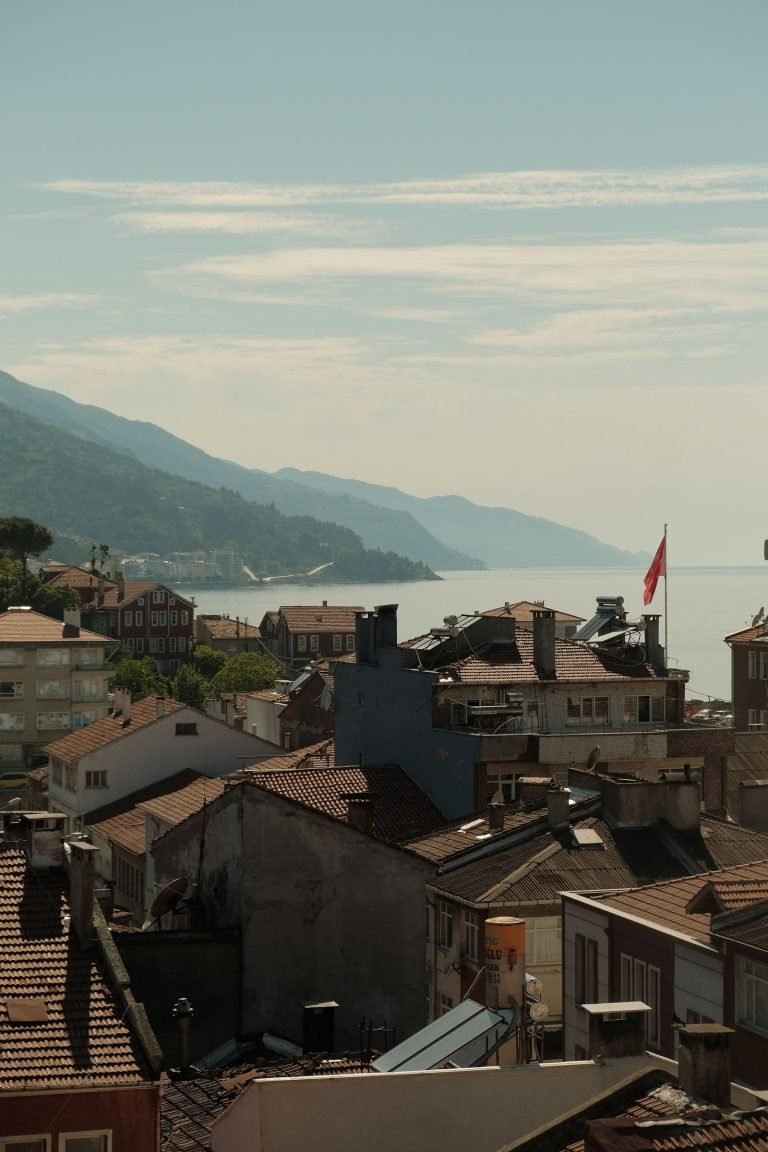
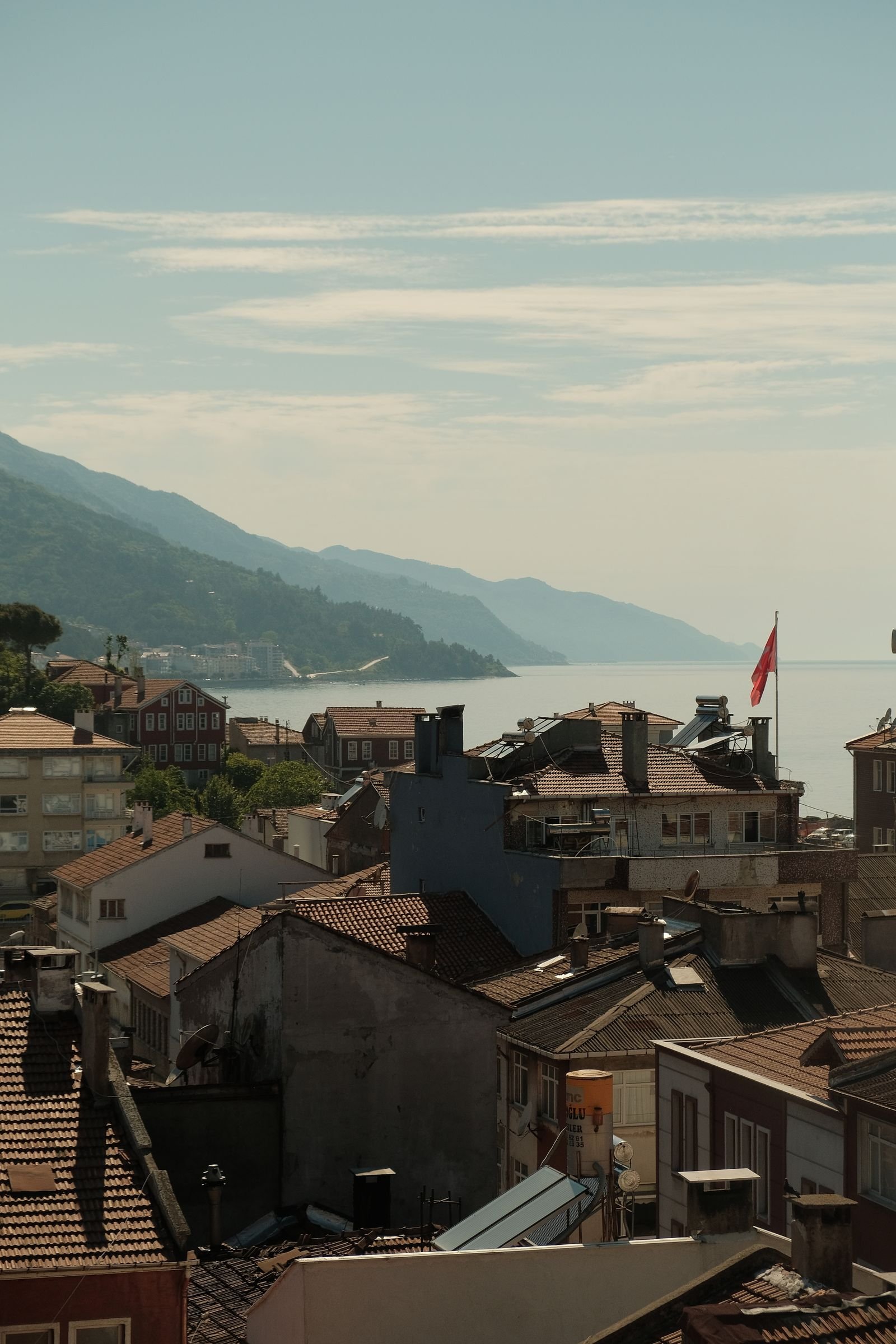
İnebolu. His birthplace is a quiet harbour town with old wooden houses climbing the hills above the Black Sea. It is well off the usual routes, about four to five hours’ drive north of Ankara through Kastamonu, but it rewards anyone on a Black Sea road trip.
Edirnekapı Martyrs’ Cemetery, Istanbul. Atay is buried in this large cemetery just outside the Byzantine land walls at Edirnekapı. It is a short walk from the Chora (Kariye) Mosque with its famous mosaics, so you can combine the two.
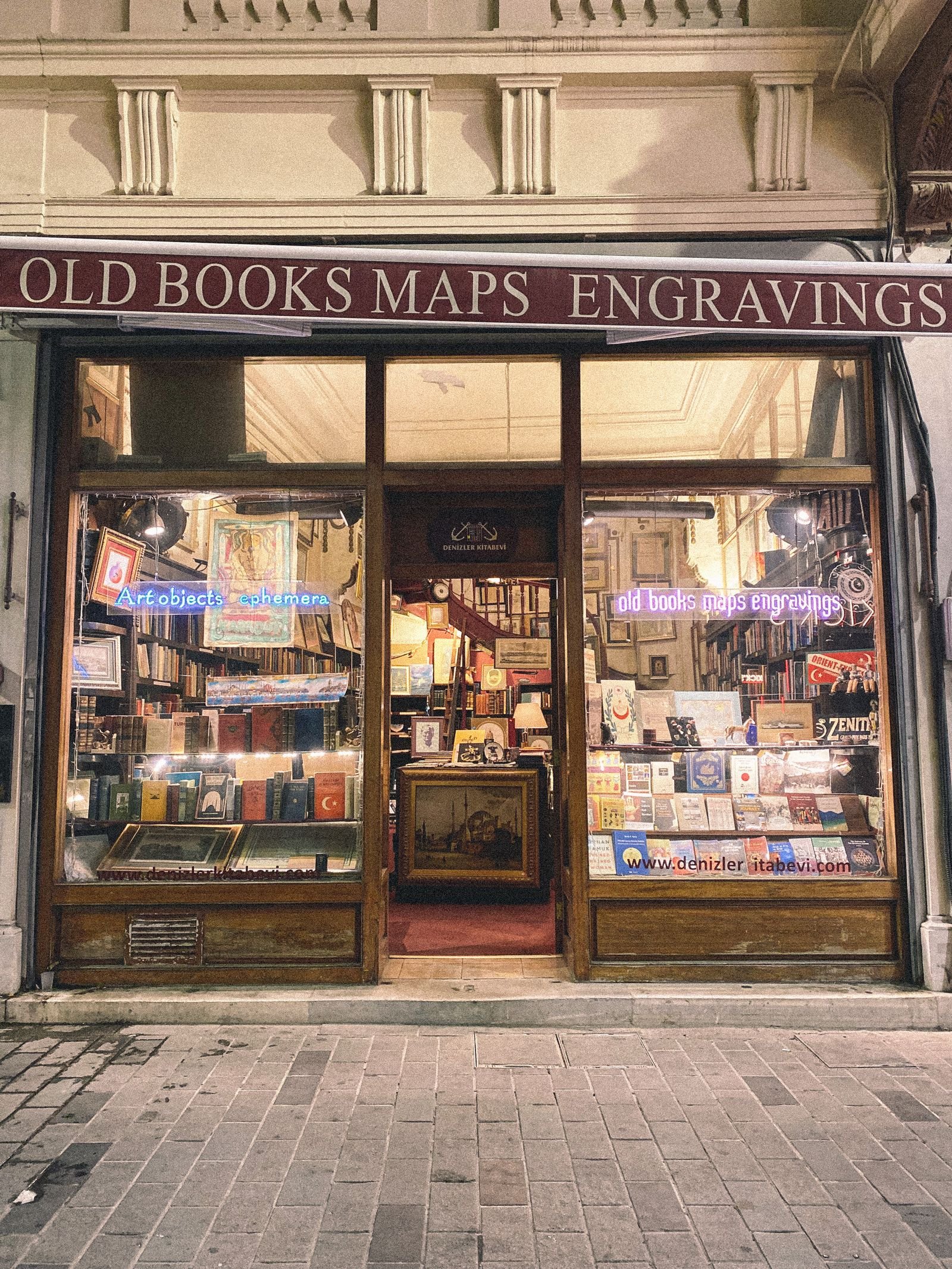
Kadıköy and Beyoğlu bookshops. In the second-hand and new bookshops of Kadıköy and around İstiklal Caddesi you will often see Tutunamayanlar on the front tables. See our guide to things to do in Istanbul and our list of Istanbul souvenirs.
Read next
Atay has many literary relatives. Read Ahmet Hamdi Tanpınar, whose Time Regulation Institute is an earlier satire of Turkish modernisation, Sabahattin Ali for another lonely clerk’s inner life, and Aziz Nesin for comedy with a harder political edge. For today’s Istanbul, try Orhan Pamuk.
Frequently asked questions
What does Tutunamayanlar mean?
Roughly “those who cannot hold on”: people who fail to grip onto conventional life. The English translation is called The Disconnected.
Is The Disconnected hard to read?
It is long and full of parody and wordplay, so it asks for patience. Many readers start with the shorter stories in Waiting for the Fear.
Where is Oğuz Atay buried?
In Edirnekapı Martyrs’ Cemetery, just outside the old city walls of Istanbul, near the Chora Mosque.
Related reading
- Famous Turkish writers and novelists
- Ahmet Hamdi Tanpınar
- Sabahattin Ali
- Aziz Nesin
- Orhan Pamuk
- Things to do in Istanbul
- Istanbul souvenirs
- Grand Bazaar guide
Details checked in November 2026.