Dates: 20 December 1915, Heybeliada, Istanbul (some official records give 1916), to 6 July 1995, Çeşme.
Known for: thousands of satirical stories, the novel Zübük and his memoir Istanbul Boy; founder of the Nesin Foundation.
Start with: Istanbul Boy (tr. Joseph S. Jacobson) or Turkish Stories from Four Decades (tr. Louis Mitler).
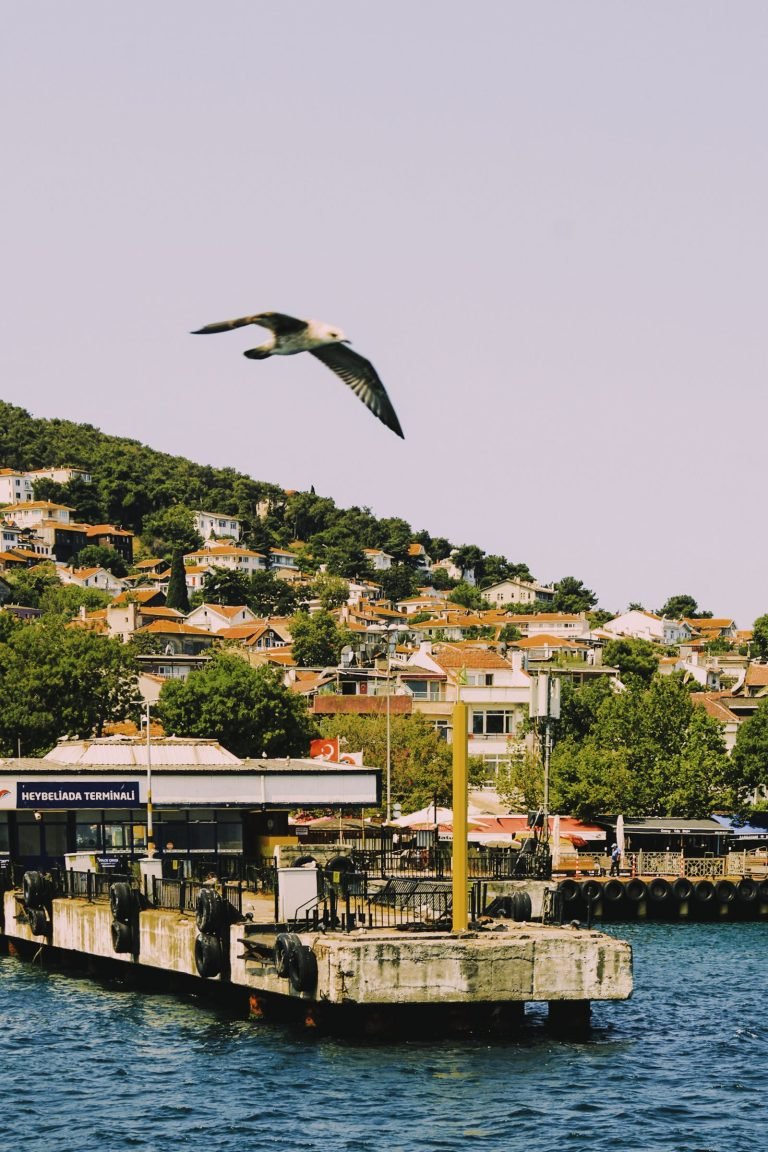
Where to visit: Heybeliada in the Princes’ Islands, where he was born.
Aziz Nesin was Turkey’s great satirist. Over half a century he wrote thousands of short, sharp, very funny stories about bureaucrats, policemen, politicians, landlords and the ordinary people trying to get round them. Many Turks can quote him, and his phrases have passed into everyday speech. He was also jailed several times for his writing, ran a children’s foundation, and remained a combative public figure until his death.
This page is part of our guide to famous Turkish writers and novelists. Below are his life, his books in English, and the places in Turkey linked to him.
Life: soldier, shopkeeper, satirist
Aziz Nesin was born Mehmet Nusret on Heybeliada, one of the Princes’ Islands off Istanbul, into a poor family. “Aziz” was his father’s name; he later took “Nesin” as his surname, a word that roughly means “What are you?”. He went to a school for orphans and then to military schools, graduating from Kuleli Military High School and the War Academy, and served as an army officer in Thrace during the Second World War before being dismissed in 1945.
After a spell running a grocery shop he turned to journalism. With Sabahattin Ali he ran the satirical weekly Markopaşa in 1946 and 1947; it was banned repeatedly and kept reappearing under new names. Nesin was sentenced to prison in 1947 and again in 1951 over his writing, spending well over two years behind bars. Because editors were afraid to print his name, he wrote under dozens of pseudonyms.
From the mid-1950s his stories began winning international prizes, including the Golden Palm humour award in Italy in 1956 and 1957 and the Golden Hedgehog in Bulgaria in 1966. In 1972 he founded the Nesin Foundation in Çatalca, on the edge of Istanbul, to house and educate children from poor families, and gave it the rights to all his books.
In July 1993 Nesin was a guest at a cultural festival in Sivas when a crowd set fire to the Madımak Hotel, where many festival guests were staying. Thirty-five people, most of them festival guests, died; Nesin escaped. He died of a heart attack in Çeşme on the Aegean coast in July 1995 and, as he wished, was buried without ceremony in an unmarked grave in the grounds of his foundation.

The books: what to read in English
- Istanbul Boy (tr. Joseph S. Jacobson, in four parts, 1977 to 2000). His memoir of a poor childhood on Heybeliada and in Istanbul, by turns funny and harsh.
- Turkish Stories from Four Decades (tr. Louis Mitler, 1991). A good selection of his short satirical stories.
- Out of the Way! Socialism’s Coming! (tr. Damian Croft, 2001). A short satire on politics and opportunism.
- Zübük (1961). A novel about a shameless small-town operator who climbs into politics. Not easy to find in English, but famous in Turkey thanks to the 1980 film.
The Ministry of Culture and Tourism biography lists his prizes and his many story collections, novels, plays and memoirs.
Themes and legacy
Nesin’s targets were corruption, red tape, hypocrisy, the abuse of power and the way poverty makes people desperate and absurd. His heroes are often small men caught in systems they cannot understand, and the jokes usually hide anger. He was influenced by Ottoman storytelling, the shadow theatre of Karagöz and Hacivat, and the trickster tales of Nasreddin Hoca, which he retold in his own versions.
His legacy goes beyond books. The Nesin Foundation still runs today, and his son, the mathematician Ali Nesin, founded the Nesin Mathematics Village near Şirince, in the hills above Selçuk, which hosts summer schools. On screen, Kartal Tibet’s 1980 film Zübük, starring Kemal Sunal, is a classic of Turkish comedy, and his plays are still staged.
Where to go in Turkey
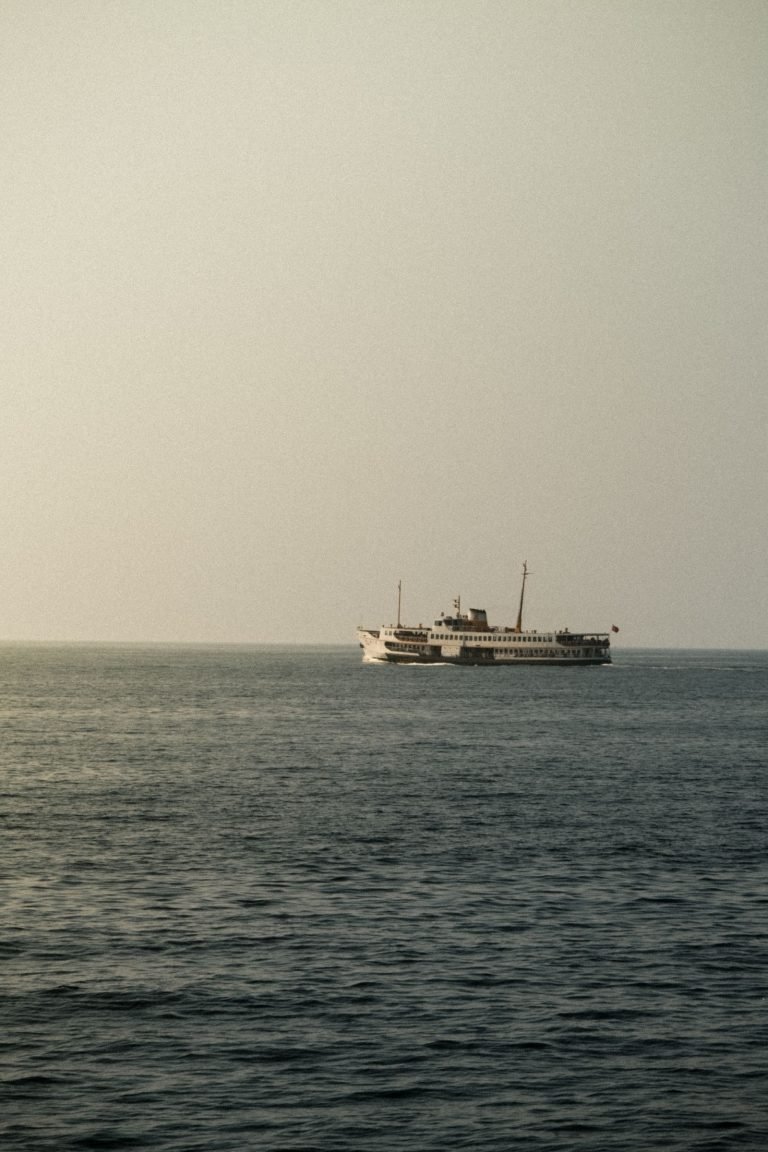
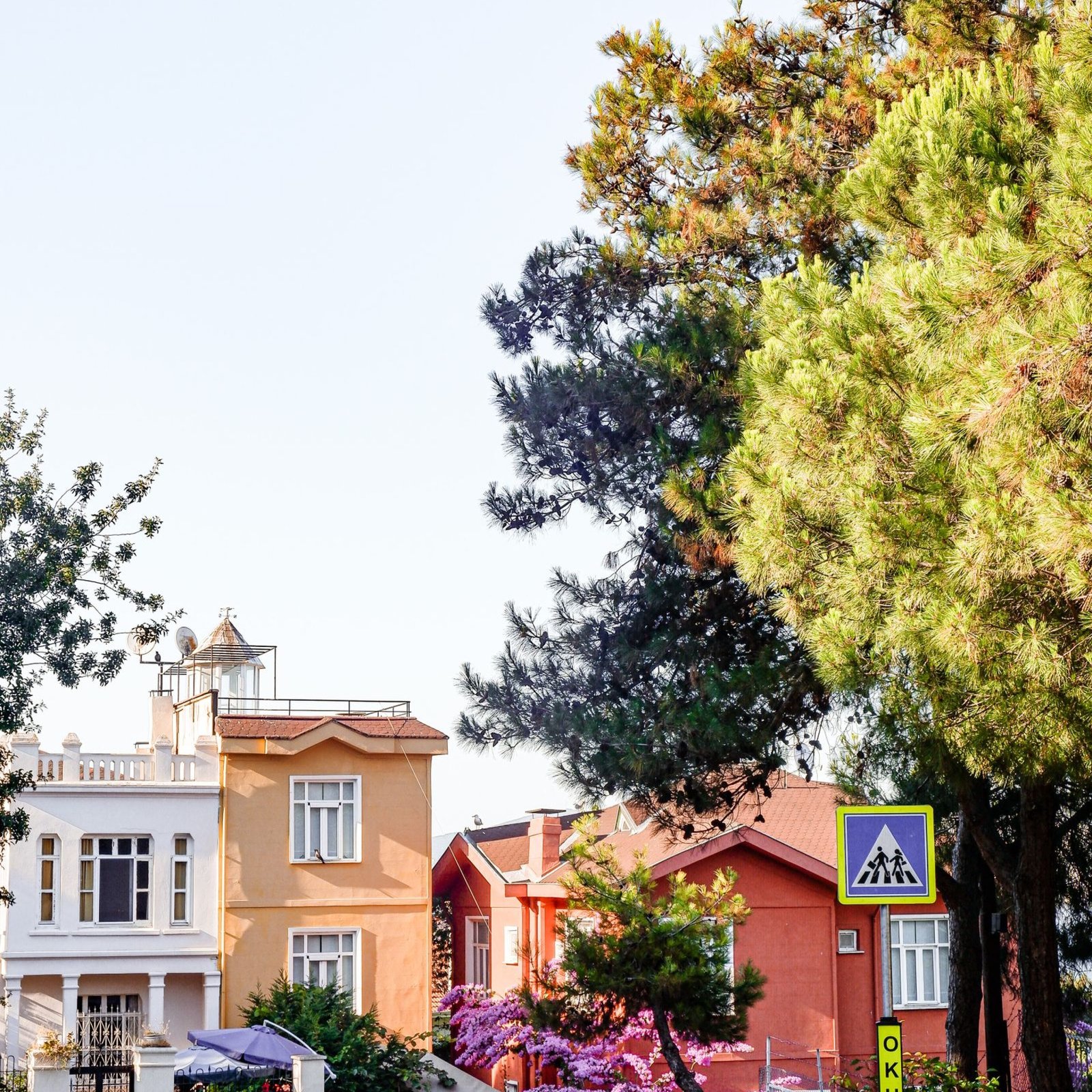
Heybeliada. His birthplace is the second largest of the Princes’ Islands, about an hour by ferry from Kabataş or Bostancı. It is quieter than Büyükada, with pine woods, wooden villas, the old naval school and the Greek Orthodox Halki seminary on the hill. Walk or cycle the island’s loop road; there are no private cars. Our guide to day trips from Istanbul covers the island ferries.
Çatalca. The Nesin Foundation is a home for children, not a visitor attraction, so please do not turn up uninvited.
Şirince and Selçuk. If you are visiting Ephesus, the hill village of Şirince, home to the Mathematics Village, is a short drive away.
Sivas. The former Madımak Hotel in central Sivas is now a science and culture centre with a memorial to those who died in 1993. Read about the poet the festival honoured on our page on Pir Sultan Abdal.
Read next
If you enjoy Nesin, read his friend and co-editor Sabahattin Ali, the gentler Istanbul stories of Sait Faik Abasıyanık, and the working-class novels of Orhan Kemal. Oğuz Atay takes the comedy of Turkish life in a more experimental direction.
Frequently asked questions
Which Aziz Nesin book should I read first?
Istanbul Boy for his life story, or a collection of short stories such as Turkish Stories from Four Decades to see his humour at its sharpest.
Where was Aziz Nesin born?
On Heybeliada, one of the Princes’ Islands in the Sea of Marmara, an easy ferry ride from central Istanbul.
Can I visit the Nesin Foundation?
It is a working home for children rather than a museum, so it is not open to casual visitors.
Related reading
- Famous Turkish writers and novelists
- Sabahattin Ali
- Sait Faik Abasıyanık
- Orhan Kemal
- Oğuz Atay
- Pir Sultan Abdal
- Day trips from Istanbul, including the Princes’ Islands
- Things to do in Istanbul
Details checked in November 2026. Confirm ferry times before you go.