Dates: 15 September 1914, Ceyhan, Adana, to 2 June 1970, Sofia, Bulgaria.
Known for: realist novels of cotton workers, migrants and the urban poor, such as Bereketli Topraklar Üzerinde and Murtaza; his friendship with Nazım Hikmet in Bursa prison.
Start with: In Jail with Nazım Hikmet (tr. Bengisu Rona).
Where to visit: the Orhan Kemal Museum in Cihangir, Istanbul, plus Adana and Bursa.
Orhan Kemal wrote about people who rarely appeared in Turkish novels before him: seasonal cotton pickers, factory hands, night watchmen, migrants sleeping in workers’ hostels and the families of small clerks. His books are direct, compassionate and often funny, and they show the Çukurova plain and the poorer districts of Istanbul from the inside.
This page is part of our guide to famous Turkish writers and novelists. Below are his life, his books in English, the films and series made from them and the places in Turkey where you can follow him.
Life: from Adana’s mills to Istanbul
Orhan Kemal was born Mehmet Raşit Öğütçü in Ceyhan, near Adana, in 1914. His father, Abdülkadir Kemali, was a lawyer and former MP who founded an opposition party in 1930 and then fled abroad, and the teenage Raşit left school to follow him to Syria and Lebanon, working in a printing house in Beirut. Back in Adana in the early 1930s he worked in cotton mills as a labourer, weaver and clerk, experiences that fill his novels.
In 1938, during his military service, he was sentenced to five years in prison, partly for reading the works of Maxim Gorky and Nazım Hikmet. He served much of the sentence in Bursa, where he shared a cell with the poet Nazım Hikmet. Nazım encouraged him to switch from poetry to prose, and the two remained close. He was released in 1943.
In 1951 he moved to Istanbul to live from his writing, which he did, often with difficulty, for the rest of his life, producing novels, stories, plays and screenplays. He was arrested again in 1966 and released after two months when the charges could not be proved. He died of a brain haemorrhage in Sofia in June 1970, while visiting Bulgaria at the invitation of its writers’ union, and is buried in Zincirlikuyu Cemetery in Istanbul.
The books
- In Jail with Nazım Hikmet (Nazım Hikmet’le Üç Buçuk Yıl; tr. Bengisu Rona, Saqi, 2010). A short, warm memoir of his years with the poet in Bursa prison. The best way in for English readers.
- Baba Evi (My Father’s House, 1949) and Avare Yıllar (The Idle Years, 1950). Autobiographical novels of his childhood and youth, published together in English as The Idle Years (Peter Owen, 2008).
- Cemile (1952). A love story in an Adana cotton mill; an English translation by Cengiz Lugal appeared in 2000 as Gemilé.
- Murtaza (1952). A comic portrait of a night watchman who takes his duties far too seriously.
- Bereketli Topraklar Üzerinde (On Fertile Lands, 1954). Three village men walk down to the Çukurova to find work in the mills and fields. His most admired novel; not yet easy to find in English.
- Hanımın Çiftliği (The Lady’s Farm, 1961) and Gurbet Kuşları (Birds of Exile, 1962). Landowners and migrants as Turkey’s cities grow.
Themes and legacy
Orhan Kemal is a founder of Turkish social realism. His subjects are work, hunger, migration from village to city, and the dignity and tricks of people with no power. He writes mostly in dialogue, with a sharp ear for how people really speak. The Orhan Kemal Novel Prize, awarded every year since 1972, keeps his name alive among new writers.
His work has often reached the screen. Erden Kıral filmed Bereketli Topraklar Üzerinde in 1979, the prison drama 72. Koğuş was filmed twice, most recently in 2011, and Hanımın Çiftliği became a popular television series. Murtaza and Eskici Dükkanı were also dramatised.
Where to go in Turkey
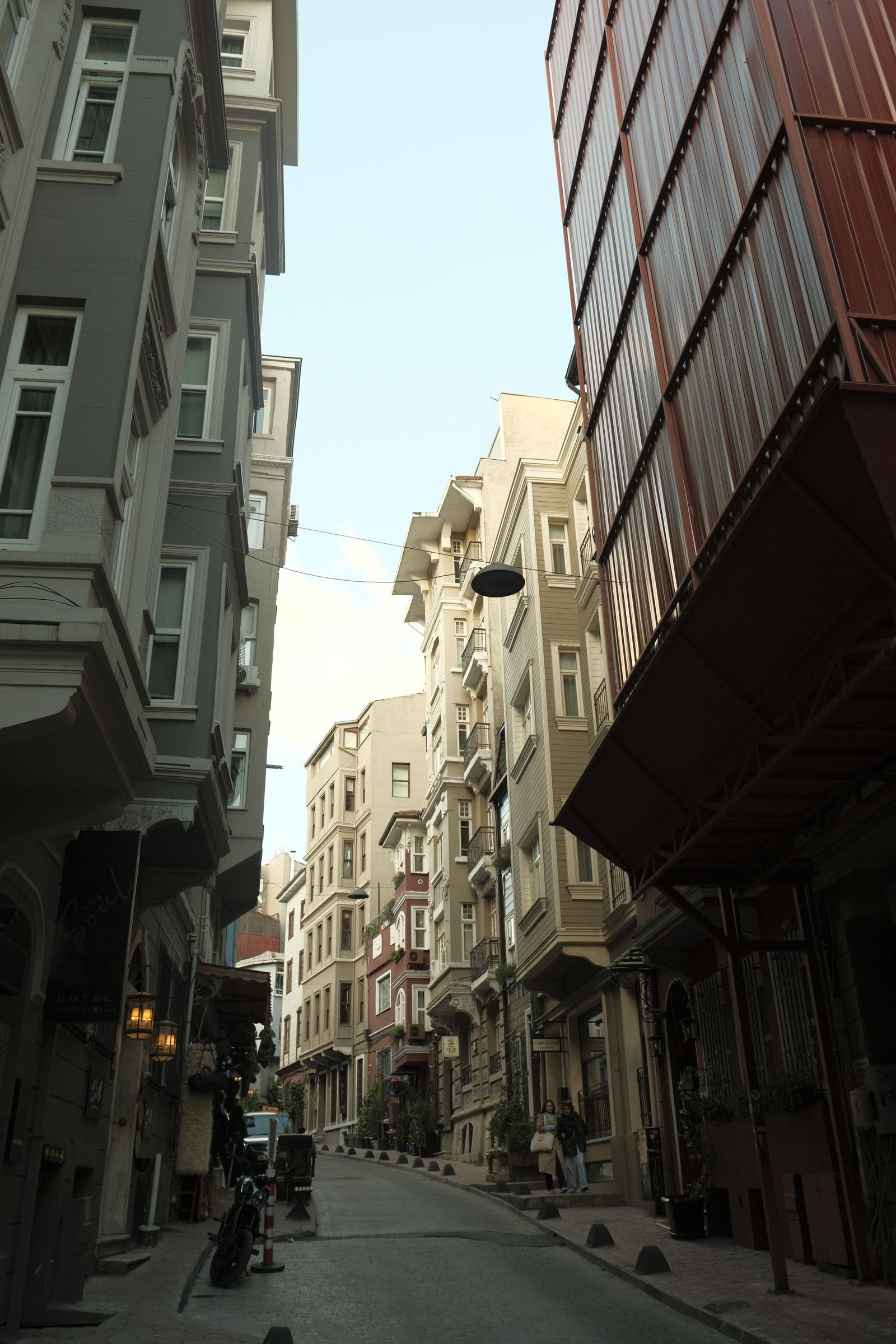
Orhan Kemal Museum, Cihangir. His son, Işık Öğütçü, set up a small museum and library in his former flat on the hill above Tophane, displaying his belongings, photographs, manuscripts and documents. In November 2026 Beyoğlu council voted to rename the street, Akarsu Yokuşu, as Orhan Kemal Street in his honour, as the Hürriyet Daily News reported. Opening hours are limited, so check before you go. Cihangir’s cafés and the Museum of Innocence in nearby Çukurcuma make a good half day.
Adana and the Çukurova. The city of his youth and the plain around it are the setting of his best novels. Walk across the Roman Taşköprü over the Seyhan, eat an Adana kebab, and drive out into the cotton country in late summer. Read our page on Yaşar Kemal, who wrote about the same land.
Bursa. The first Ottoman capital, where he and Nazım Hikmet shared a prison cell, is an easy trip from Istanbul by ferry and road. See our guide to things to do in Bursa.

Read next
Read Orhan Kemal with Yaşar Kemal, the other great novelist of the Çukurova, the satirist Aziz Nesin, and Sabahattin Ali, whose realist stories of provincial life came just before his. For the poet who shaped him, see Nazım Hikmet.
Frequently asked questions
Which Orhan Kemal book should I read first?
In Jail with Nazım Hikmet. It is short, available in English and introduces both writers. Then look for The Idle Years.
Was Orhan Kemal related to Yaşar Kemal?
No. Both wrote about the Adana region and both are known by names that include “Kemal”, but they were not related.
Where is the Orhan Kemal Museum?
In Cihangir, Beyoğlu, at number 30 on Akarsu Yokuşu (which Beyoğlu council voted in November 2026 to rename Orhan Kemal Street), a steep walk up from the Tophane tram stop.
Related reading
- Famous Turkish writers and novelists
- Yaşar Kemal
- Aziz Nesin
- Sabahattin Ali
- Nazım Hikmet
- Things to do in Bursa
- Things to do in Istanbul
- Turkish food to try
Details checked in November 2026. Confirm opening times before you go.