Most visitors to Turkey never hear of Lausanne, yet the treaty decides where the country begins and ends, why Bozcaada and Gökçeada are Turkish while the other Aegean islands are Greek, and why some villages on the coast and in Cappadocia stand empty. This page explains what was agreed, what it meant for people, and where you can connect with it on a trip. It follows on from our hub on how the Turkish Republic was founded.
From Sèvres to Lausanne
The Ottoman government had signed the Treaty of Sèvres in August 1920, but it was never ratified, and the nationalist government in Ankara fought the War of Independence to overturn it. After the Great Offensive and the Armistice of Mudanya in October 1922, the Allies agreed to negotiate again.
The peace conference opened in Lausanne on 20 November 1922. Turkey’s chief negotiator was İsmet Pasha (later İnönü), the commander of the western front, and Britain’s foreign secretary Lord Curzon led for the Allies. Eleftherios Venizelos represented Greece. Talks broke down early in 1923 and resumed in the spring, and the treaty was finally signed at the Palais de Rumine on 24 July 1923.
What the treaty said
The treaty was signed by Turkey on one side and Britain, France, Italy, Japan, Greece, Romania and the Kingdom of Serbs, Croats and Slovenes on the other. Its main terms:
- Borders: Turkey kept Anatolia and Eastern Thrace up to the Maritsa (Meriç) river. The border with Syria followed the Ankara agreement with France. The future of Mosul was left to the League of Nations, which later awarded it to Iraq.
- Islands: Gökçeada (Imbros) and Bozcaada (Tenedos) stayed Turkish, with a promised special administration. Turkey gave up claims to the other Aegean islands, the Dodecanese (then Italian) and Cyprus (then British).
- Capitulations: the old privileges that let foreigners in the Ottoman Empire live under their own consular courts and tax rules were abolished completely.
- The straits: a separate convention opened the Dardanelles and the Bosphorus to all shipping under international supervision. It was replaced by the Montreux Convention in 1936.
- Minorities: non-Muslim minorities in Turkey and the Muslim minority in Greece were promised protection. The Sèvres plans for an Armenian state in the east and a Kurdish autonomous region were dropped.
The Grand National Assembly ratified the treaty on 23 August 1923. Allied troops left Istanbul that autumn, and Turkish troops entered the city on 6 October 1923, three weeks before the Republic was proclaimed.
The population exchange
On 30 January 1923, during the conference, Greece and Turkey signed a convention for a compulsory exchange of populations. The test was religion, not language: Greek Orthodox Christians in Turkey were sent to Greece, and Muslims in Greece to Turkey. Many Christians had already fled in 1922. In all, around 1.2 million people moved to Greece and roughly 355,000 to 400,000 to Turkey. The Greek Orthodox of Istanbul, Gökçeada and Bozcaada and the Muslims of Western Thrace were exempted.
For many families this was a forced uprooting, and it remains a painful memory on both sides of the Aegean. You can still see its traces. Kayaköy, the abandoned Greek village above Fethiye, is the best known; our Fethiye and Ölüdeniz guide covers how to get there. In Cappadocia, villages such as Mustafapaşa (once Sinasos) keep their old Greek houses and churches.
Why it matters today
Lausanne is still the legal basis of most of Turkey’s borders, and it is often cited in disputes between Turkey and Greece over the Aegean and minority rights. In Turkey it is seen as the founding treaty of the republic, marked each 24 July. In Greece, the exchange that came with it is remembered as the end of thousands of years of Greek life in Asia Minor. The minority provisions still define the official status of the Greek Orthodox, Armenian and Jewish communities in Turkey.
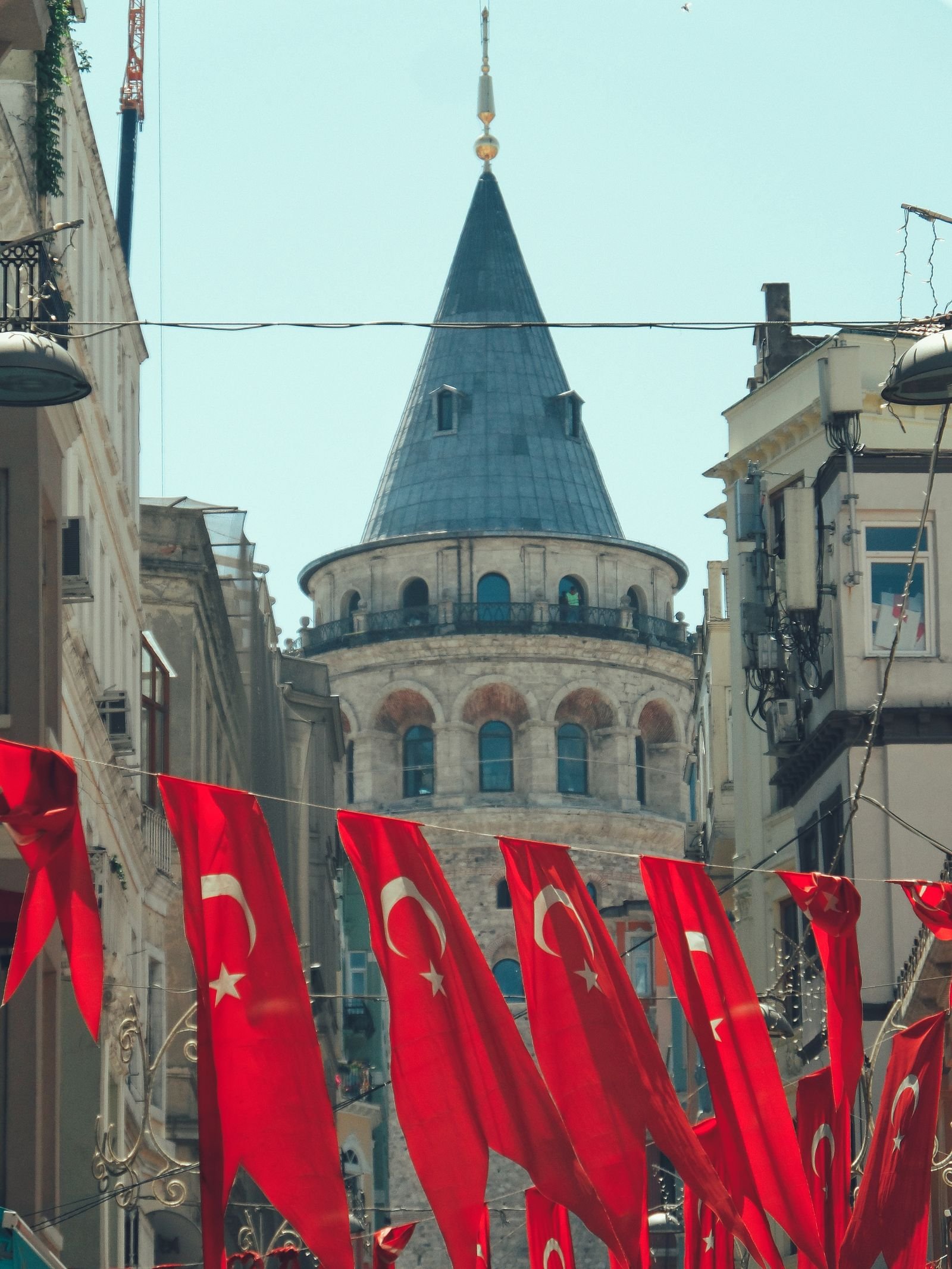
The treaty also ended the Allied occupation of Istanbul. Flags go up across the city each 6 October to mark the day Turkish troops returned.
Where to see it
- Ankara: the War of Independence Museum in Ulus is the first parliament building, where the Assembly ratified the treaty in August 1923. Our things to do in Ankara guide covers Ulus and Anıtkabir.
- Lausanne, Switzerland: the Palais de Rumine, the grand building on Place de la Riponne where the treaty was signed, now houses the canton’s museums and university library.
- Bozcaada: the island’s Greek quarter and church are a reminder of the exemption. It is a ferry ride from Çanakkale; see things to do in Çanakkale, Troy and Gallipoli.
Watch: the treaty and the population exchange
Video: The Treaty of Lausanne and the great population exchange by Strait Talk (2018, in English)
Frequently asked questions
When was the Treaty of Lausanne signed?
On 24 July 1923, at the Palais de Rumine in Lausanne. Turkey ratified it on 23 August 1923, and it came into force in August 1924.
Does the Treaty of Lausanne expire in 2023?
No. This is a popular myth. The treaty has no expiry date, and the centenary in 2023 changed nothing.
Who was exempt from the population exchange?
The Greek Orthodox of Istanbul, Gökçeada and Bozcaada, and the Muslims of Western Thrace in Greece.
Related reading
How the Turkish Republic was founded · Atatürk: life and legacy · The Turkish War of Independence · The Great Offensive of 1922 · The Gallipoli campaign · Republic Day · Things to do in Ankara · Things to do in Fethiye and Ölüdeniz · Çanakkale, Troy and Gallipoli
Sources: Treaty of Lausanne (Britannica), War of Independence Museum (muze.gov.tr), The Treaty of Lausanne (Diplomatic Documents of Switzerland).