The Great Offensive ended the war with Greece in less than three weeks. For visitors, it explains Victory Day on 30 August, the memorials scattered across the uplands between Afyonkarahisar and Kütahya, and much of İzmir’s modern history. This page tells the story, deals plainly with the burning of İzmir that followed, and shows where to go. For the full background, read our hub on how the Turkish Republic was founded.
A year of preparation
After the Battle of Sakarya in 1921, the Greek army dug in along a long front in western Anatolia, centred on Afyonkarahisar and Eskişehir. The Turkish army used the following year to rebuild, gather horses, guns and ammunition, and train. Peace proposals came and went without agreement. Mustafa Kemal decided to attack the southern end of the Greek line, near Afyonkarahisar, and moved troops there in secret.
26 to 30 August 1922
The Western Front command set up its headquarters on Kocatepe, a hill south of Afyonkarahisar. At 05:30 on 26 August 1922 Turkish artillery opened fire, and the infantry attacked the Greek positions on the ridges. Within two days the Greek line was broken in several places.
Much of the Greek army then tried to withdraw west and was trapped in the hills around Dumlupınar, in Kütahya province. Mustafa Kemal directed the fighting from a hill now called Zafertepe (“Victory Hill”). The encircled Greek units were defeated on 30 August, the day Turks call the Battle of the Commander-in-Chief (Başkomutanlık Meydan Muharebesi). On 2 September General Nikolaos Trikoupis, a senior Greek commander, was captured with several thousand men near Uşak.
On 1 September Mustafa Kemal issued the order now carved on monuments across Turkey: “Armies, your first goal is the Mediterranean. Forward!” Turkish cavalry entered İzmir on 9 September 1922. The Armistice of Mudanya followed on 11 October, and the Treaty of Lausanne in July 1923.
The burning of Smyrna (İzmir), September 1922
The arrival of Turkish forces in İzmir was followed by violence against the city’s Christian population, and on 13 September 1922 a great fire broke out. It destroyed the Armenian, Greek and European quarters, while the Turkish and Jewish quarters largely survived. Hundreds of thousands of people crowded on to the quayside, and Allied warships in the harbour took off only some of them. Estimates of the number killed vary widely.
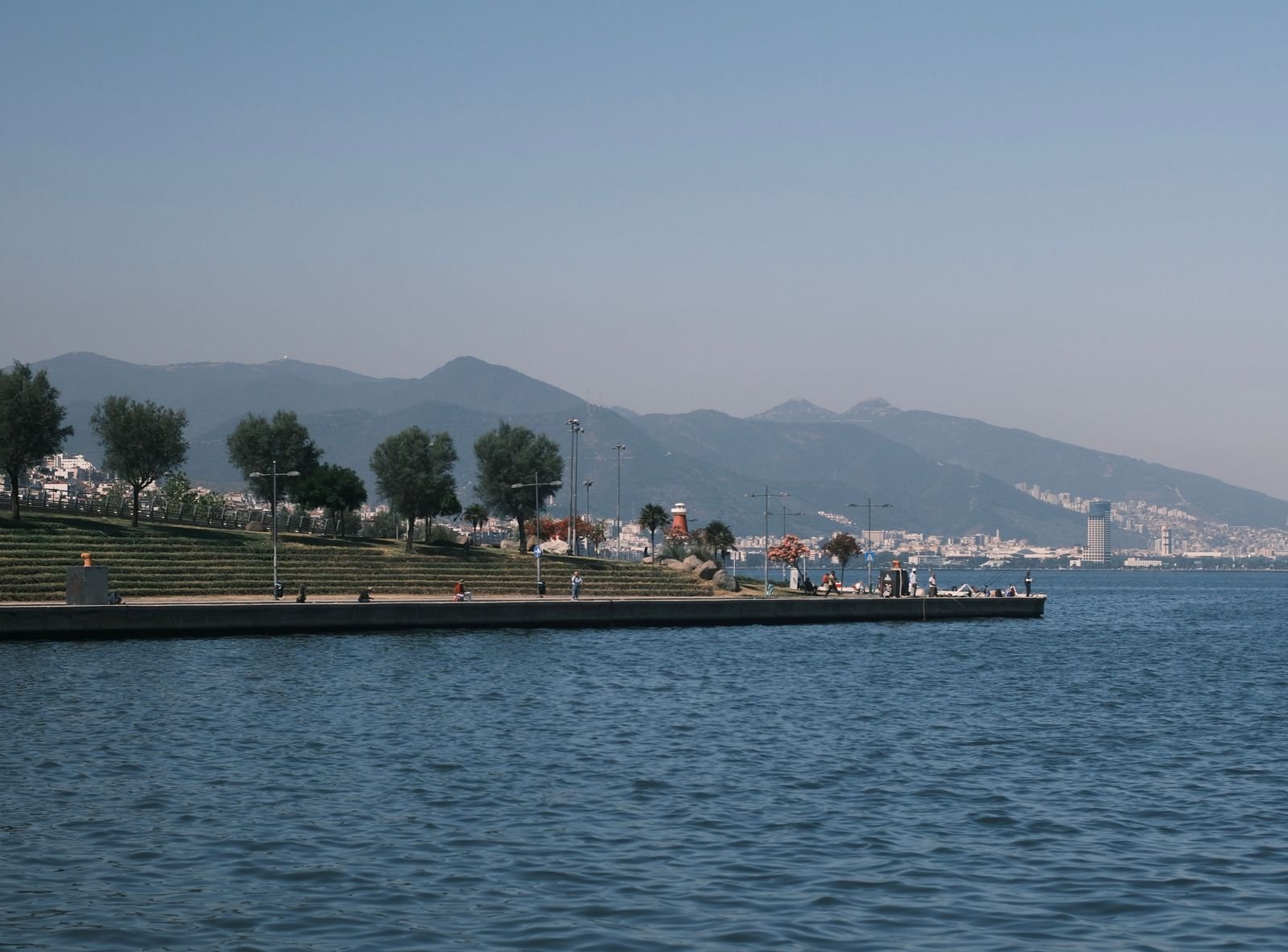
Who started the fire is still disputed. Many Western eyewitnesses and historians blame Turkish soldiers or irregulars; Turkish accounts have long blamed Armenian or Greek arsonists or retreating forces. JSTOR Daily sets out the competing accounts, and one historian it cites concluded that it has never been established whether Turks, Greeks, Armenians or an accident started the fire. Little of the old waterfront survives. The modern Kordon promenade was built on the ruins, and our things to do in İzmir guide covers what you can see today.
Victory Day, 30 August
The first celebration was held at Zafertepe on 30 August 1924, and a 1926 law made 30 August Victory Day. It is a national public holiday, with ceremonies at Anıtkabir in Ankara, military parades, flags everywhere and a large state ceremony at Dumlupınar. Shops mostly open, but government offices close. Our Victory Day page has the practical details.
Visiting Kocatepe and Dumlupınar
The battlefields form the Commander-in-Chief National Historic Park, set up on 8 November 1981 and covering about 40,948 hectares in Afyonkarahisar, Kütahya and Uşak provinces. The main stops are:
- Kocatepe: the headquarters hill south of Afyonkarahisar, with a memorial and viewpoint over the ground of the first attack.
- Dumlupınar memorials: a large martyrs’ memorial and cemetery and the Unknown Soldier monument, where the main 30 August ceremony is held.
- Zafertepe: the hill near Dumlupınar from which the final battle was directed.
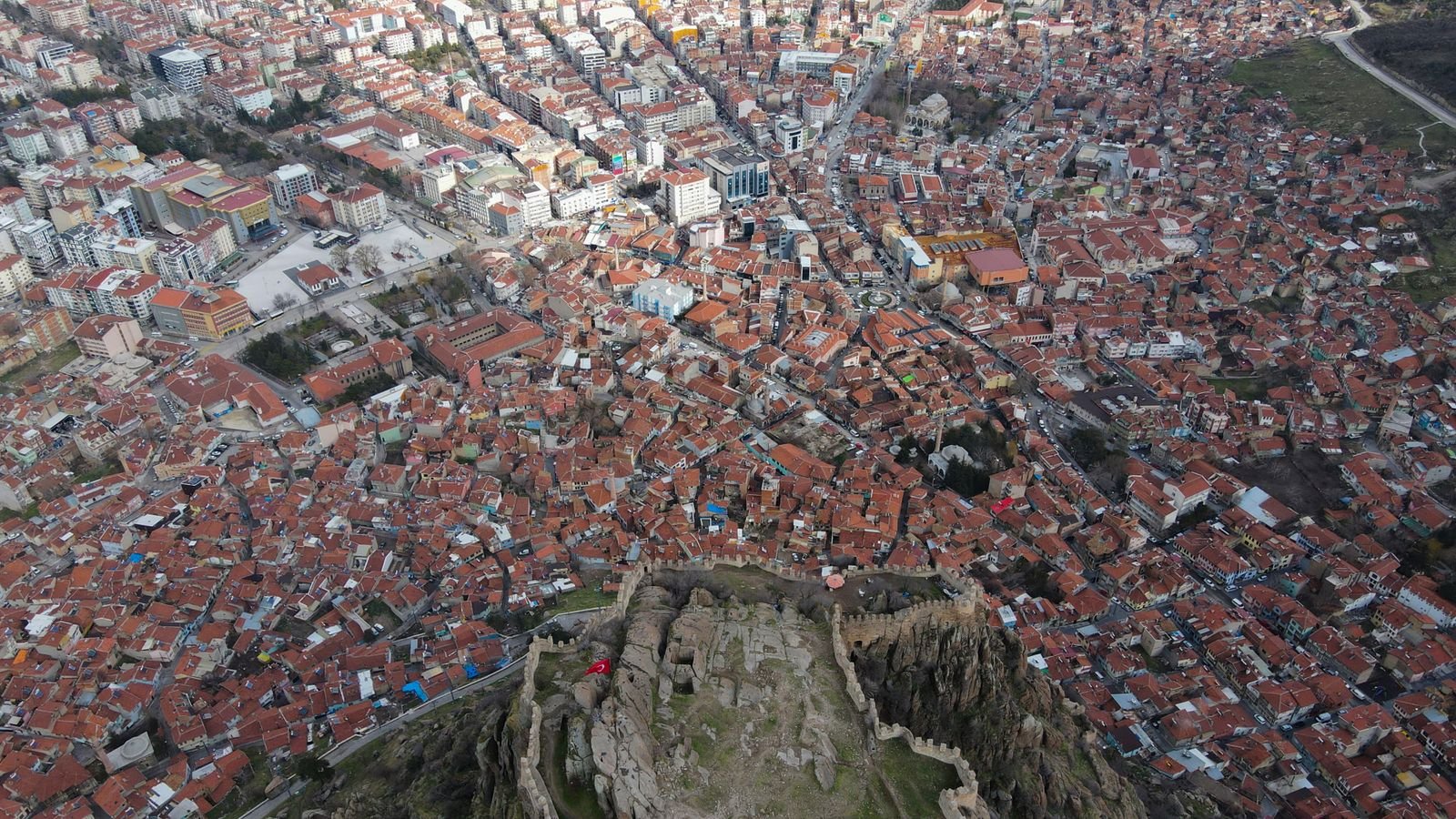
You need a car: Afyonkarahisar is on the main road and rail routes from Istanbul and Ankara to İzmir and the south coast. Afyonkarahisar itself is worth a night, with its castle on a volcanic rock and its thermal hotels. See our driving in Turkey guide before you hire.
Watch: the Greek-Turkish War
Video: The Greek-Turkish War 1919-1923 by The Great War (2022, in English)
Frequently asked questions
Why is 30 August Victory Day in Turkey?
It marks the Turkish victory at Dumlupınar on 30 August 1922, the decisive battle of the Great Offensive. It was first celebrated in 1924 and is now a national public holiday.
Who started the fire in İzmir in 1922?
It is disputed. Many Western witnesses and historians blame Turkish forces, while Turkish accounts blame Armenian or Greek arsonists.
Can I visit the Dumlupınar battlefield without a tour?
Yes, by car. The memorials are outdoors, and the town of Dumlupınar is on the road between Afyonkarahisar and Uşak.
Related reading
How the Turkish Republic was founded · Atatürk: life and legacy · The Turkish War of Independence · The Battle of Sakarya · The Treaty of Lausanne · Victory Day · Things to do in İzmir · Things to do in Ankara · Driving in Turkey
Sources: The road to victory (STRASAM), September 1922: the Great Fire of Smyrna (JSTOR Daily), Battle of the Sakarya River (Britannica), Atatürk and War of Independence Museum (anitkabir.tsk.tr).