Known for: the bozlak songs of the Anatolian steppe, “Gönül Dağı” and “Neden Garip Garip Ötersin Bülbül”.
Where to visit: the Neşet Ertaş Gönül Sultanları Culture House, his grave and the September festival in Kırşehir.
Turks call him “Bozkırın Tezenesi”, the plectrum of the steppe, a name the novelist Yaşar Kemal gave him. Neşet Ertaş took the music of the abdals, the wandering musician families of central Anatolia, from village weddings to the big concert stages, and he did it without ever changing his style or his manners.
This page covers his life, the songs to start with and how to follow his story in Kırşehir, a quiet city between Ankara and Cappadocia that has built much of its identity around him. For the bigger picture of Turkish folk, rock and pop, see our guide to famous Turkish singers and musicians.
Life: from Kırtıllar to Germany and back
Neşet Ertaş was born in 1938 in Kırtıllar, a village in Kırşehir province. His father, Muharrem Ertaş, was a celebrated folk singer and player in the abdal tradition, and the boy grew up travelling with him to play at weddings and village gatherings across the region.
His first record, “Neden Garip Garip Ötersin Bülbül”, came out in 1957. Through the 1960s and 1970s he became one of the best-known folk voices in Turkey. Then, in the late 1970s, his fingers became paralysed. In 1979 he went to Germany to join his brother, recovered, and spent more than two decades there, playing at weddings and community events for the Turkish diaspora and teaching saz.
When he finally returned to Turkey after 23 years, he was greeted as a legend. His first concert back, at the Harbiye Open-Air Theatre in Istanbul, ended in a standing ovation, and tours and free concerts followed. He died in İzmir on 25 September 2012, aged 74, and, as his will asked, was buried in Kırşehir at the foot of his father’s grave.
His music: bozlak and the abdal tradition
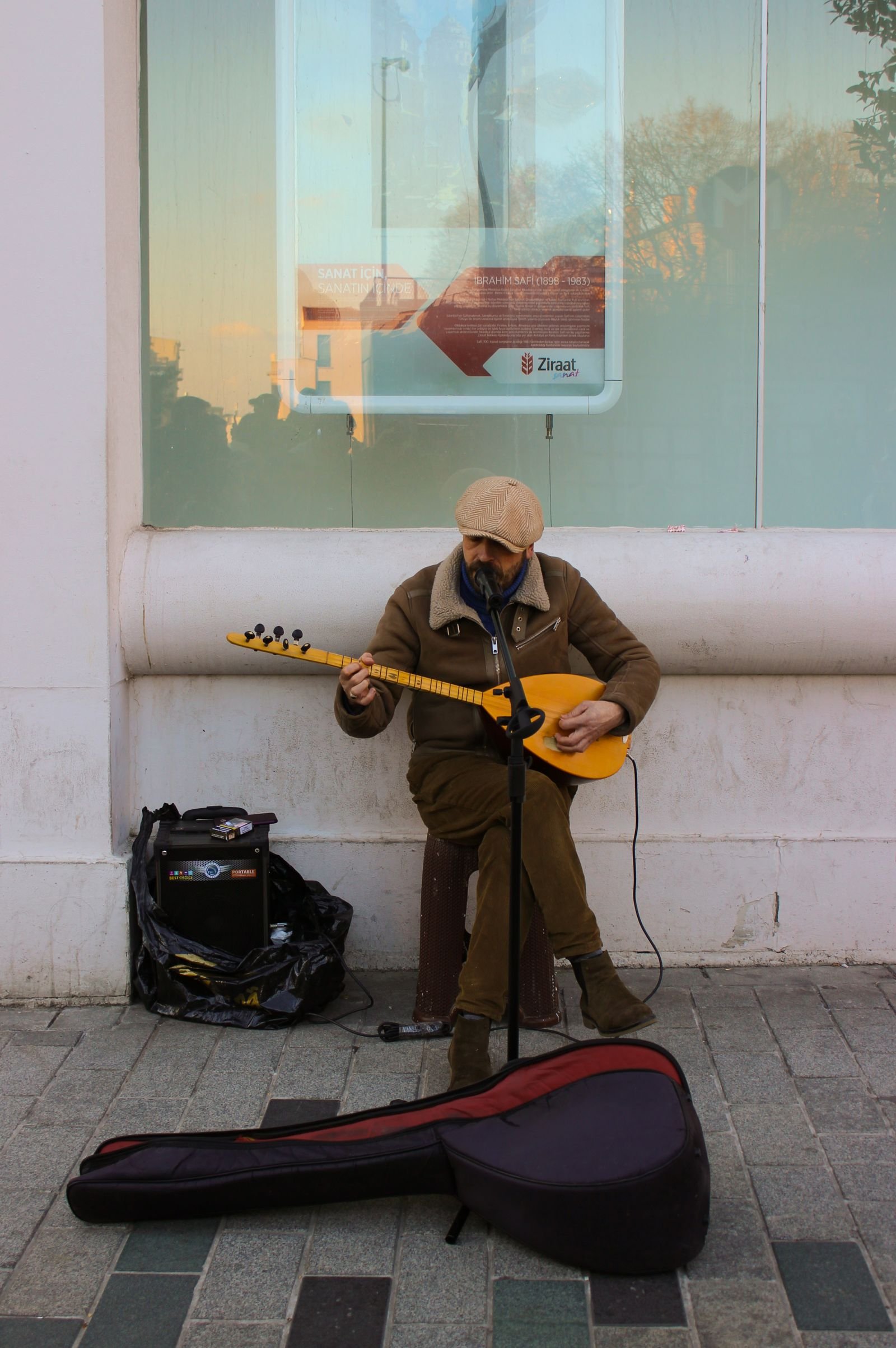
Ertaş’s home ground was the bozlak, a slow, high, almost shouted lament of the central Anatolian steppe, sung in free rhythm over a bağlama. He was also a master of the lively dance tunes of the same region. His playing, with its fast, precise right-hand strokes, is still a model for bağlama players, and his lyrics, many his own, deal with love, longing, exile and the hardness of the world in plain Kırşehir dialect.
He released more than 30 albums. Labels such as Kalan Müzik keep his catalogue in print, including the 2020 collection Bozkırın Tezenesi.
Signature songs
- “Neden Garip Garip Ötersin Bülbül” (1957)
- “Gönül Dağı”
- “Yolcu”
- “Hata Benim”
Key albums
- Gönül Yarası (1998)
- Zahidem (1999)
- Bozkırın Tezenesi (Kalan Müzik, 2020), a good place to start
Turkish Folk Poet: Neşet Ertaş, a short English-language introduction to his life and songs (Up2Me, September 2020). Watch on YouTube.
Honours and legacy
Ertaş turned down the title of State Artist, saying he was already the state’s artist, and the remark is still quoted with affection. He did accept other honours: a distinguished service award from the Grand National Assembly in 2006, recognition as a Living Human Treasure under Turkey’s UNESCO-linked programme, and an honorary doctorate from Istanbul Technical University in April 2011.
His biggest legacy may be in his home city. In 2019 Kırşehir joined the UNESCO Creative Cities Network as a City of Music, the first Turkish city to do so, on the strength of its abdal music, of which Ertaş is the best-known representative.
Where to experience his legacy in Kırşehir
Neşet Ertaş Gönül Sultanları Culture House
Set up by the Ministry of Culture and Tourism and the governor’s office in the restored former governor’s residence on Atatürk Caddesi in the city centre, this museum opened in 2014. One room is given over to Ertaş, with his records, cassettes, photos and an animatronic figure that sings in the local dialect. The rest of the house traces the line of Anatolian minstrels from Dede Korkut to the present, with folk instruments and recordings you can listen to.
His grave, the festival and the Türkü Garden
His grave in Kırşehir is visited all year, and on 25 September, the anniversary of his death, saz players and fans gather there and at Gönül Dağı in Kaman district. Kırşehir Municipality runs an annual three-day Neşet Ertaş Culture and Art Festival with free concerts; dates change each year, so check before you travel. Since September 2024 there is also a free open-air Neşet Ertaş Türkü Garden, with music stops along a walking path and a replica of his house.

While you are in the city, the Seljuk-era Cacabey Medrese is worth a look. Kırşehir is an easy add-on to a trip that takes in Ankara and Cappadocia (checked November 2026).
Listen next
- “Neden Garip Garip Ötersin Bülbül” (official Neşet Ertaş channel)
- “Gönül Dağı” from Bozkırın Tezenesi (Kalan Müzik)
- “Yolcu” (Neşet Ertaş, YouTube Music topic channel)
For the generation before him, start with Âşık Veysel; for the novelist who named him, read about Yaşar Kemal.
Frequently asked questions
What is a bozlak?
A slow, high-pitched lament from the central Anatolian steppe, sung in free rhythm with the bağlama. Neşet Ertaş and his father Muharrem are its best-known performers.
Where is Neşet Ertaş buried?
In Kırşehir, at the foot of his father Muharrem Ertaş’s grave, as he asked in his will.
Is there a Neşet Ertaş museum?
Yes. The Neşet Ertaş Gönül Sultanları Culture House in central Kırşehir, opened in 2014, has a room devoted to him alongside displays on other Anatolian minstrels.
Related reading
- Famous Turkish singers and musicians
- Âşık Veysel: life, songs and legacy
- Zeki Müren: life, songs and legacy
- Orhan Gencebay
- Yaşar Kemal
- Things to do in Ankara
- Things to do in Cappadocia
- Useful Turkish phrases
Sources: UNESCO Creative Cities Network: Kırşehir; UNESCO Cities of Music: Kırşehir; Kure Encyclopedia: Neşet Ertaş Culture House.
Prices and opening details checked in November 2026. Confirm on the official page before you go.