Known for: “Namus Belası”, “Tamirci Çırağı”, “Islak Islak” and bands from Apaşlar to Dervişan.
Where to visit: his grave in Karacaahmet Cemetery, Üsküdar, on the Asian side of Istanbul.
Cem Karaca had one of the great voices of Turkish rock: deep, rough and theatrical, perfect for songs about workers, apprentices and the poor. He fronted a string of key bands in the late 1960s and 1970s, spent eight years in exile in Germany, and came home to a second career that lasted until his final concert in 2004.
Here is a short guide to his life, the songs and albums to try, and the places in Istanbul linked to him. For the wider Anatolian rock scene and other styles, start with our hub guide to famous Turkish singers and musicians.
Life: actors’ son, rock singer, exile
Cem Karaca was born on 5 April 1945 in Bakırköy, Istanbul, into a theatrical family. His father, Mehmet İbrahim Karaca, was a stage actor and his mother, Toto Karaca (born İrma Felekyan), a well-known actress of stage and screen; his family background was Azerbaijani and Armenian. He started out singing in cover bands such as the Dynamites and the Jaguars.
In 1967 he joined Apaşlar, and their song “Emrah” came second in that year’s Golden Microphone competition, the newspaper Hürriyet’s contest for Turkish bands. He then formed Kardaşlar with the bassist Serhan Karabay, joined Moğollar in 1972, where he recorded “Namus Belası”, and in 1974 founded Dervişan. With Dervişan he made his most openly political songs about labour and poverty, such as “Tamirci Çırağı” and “Yoksulluk Kader Olamaz”. His next band, Edirdahan, released “Safinaz” in 1978.
In 1979 he moved to West Germany. After the military coup of 12 September 1980 he was called back to face charges and did not return; the government revoked his citizenship in January 1983. In Germany he recorded in Turkish and German, including the album Die Kanaken (1984). An amnesty under Prime Minister Turgut Özal allowed him to come home in 1987.
Back in Turkey he released new albums through the late 1980s and 1990s, and worked again with the guitarist Cahit Berkay of Moğollar and with Uğur Dikmen, the partnership behind “Islak Islak”. He gave his last concert in Ankara on 17 January 2004 and died in Istanbul on 8 February 2004, aged 58. He is buried in Karacaahmet Cemetery in Üsküdar.
His music
Karaca’s sound grew out of the same idea as the rest of Anatolian rock: Anatolian folk melodies and rhythms played with electric guitars, organ and a rock rhythm section. What he added was a storyteller’s voice and lyrics with a social edge, influenced by folk poetry and by left-wing politics of the 1970s. His felt hat, large glasses and long hair became an image as recognisable as his voice.
Signature songs
- “Emrah” (1967, with Apaşlar)
- “Namus Belası” (with Moğollar)
- “Tamirci Çırağı” (with Dervişan)
- “Safinaz” (1978, with Edirdahan)
- “Islak Islak”
Key albums
- Yoksulluk Kader Olamaz (1977, with Dervişan)
- Safinaz (1978, with Edirdahan)
- Die Kanaken (1984)
- Yiyin Efendiler (1990)
- Bindik Bir Alamete (1999)
The Mountains Belong to Us, an English-language video essay on Cem Karaca’s life and music (The Long Thin Road, December 2021). Watch on YouTube.
Legacy
Karaca called himself the bard of Anatolian rock, and he is usually named with Barış Manço, Erkin Koray and Fikret Kızılok as one of its founding figures. His formal prizes came early, in competitions such as the Golden Microphone; his lasting recognition has come from audiences. Turkish newspapers and broadcasters mark the anniversary of his death every February, his songs are standard repertoire for Turkish rock bands, and his life is the subject of the biopic Cem Karaca’nın Gözyaşları (Tears of Cem Karaca).
Where to experience his legacy in Istanbul
Karacaahmet Cemetery, Üsküdar
Karacaahmet is one of the oldest and largest cemeteries in Istanbul, a vast, tree-shaded hillside of Ottoman and modern graves above Üsküdar. It is open to the public, and the graves of many well-known Turks, Karaca among them, are found there. Dress modestly, keep your voice down and avoid funerals in progress; our customs and etiquette guide has more on behaving respectfully at religious sites.
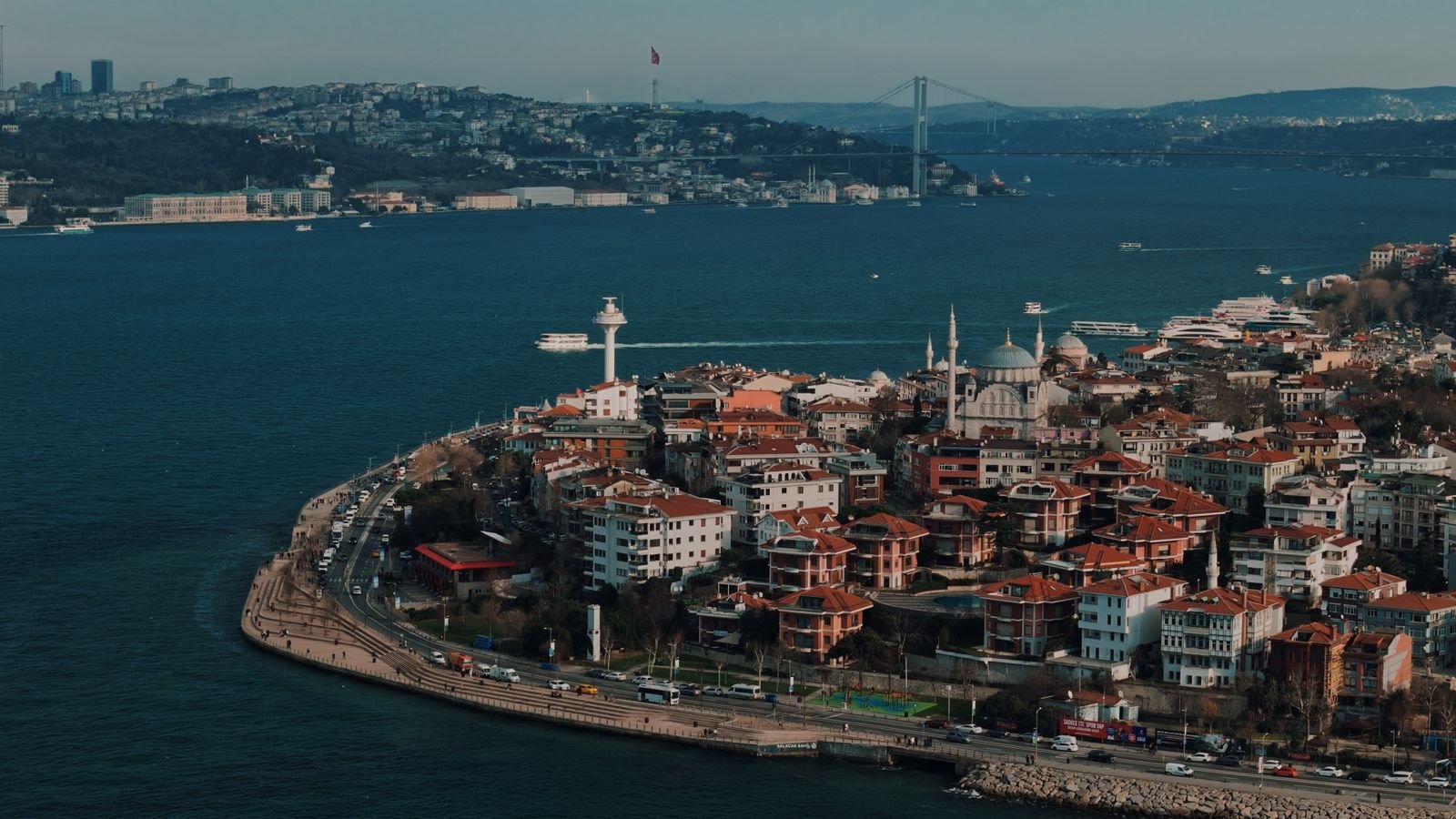
To get there, take the Marmaray rail line or a ferry to Üsküdar, then walk or take a short taxi ride uphill (checked November 2026). Combine it with the Üsküdar waterfront and its Ottoman mosques.
Live Anatolian rock in Istanbul
Karaca’s songs turn up regularly in the sets of Turkish rock bands and at tribute nights. Check venue listings in Kadıköy and Beyoğlu when you are in town, and see our things to do in Istanbul guide to plan the rest of your stay.

Listen next
- “Namus Belası” (official lyric video, MuzikPlay)
- “Islak Islak” (official video, MuzikPlay)
- Then try Yoksulluk Kader Olamaz on your streaming service.
Next in Anatolian rock: Barış Manço and Erkin Koray. For the poet whose work Karaca set to music in Germany, see Nazım Hikmet.
Frequently asked questions
Why did Cem Karaca live in Germany?
He moved there in 1979 and, after the 1980 coup, refused a summons to return to face charges; his citizenship was revoked in 1983. He came home after an amnesty in 1987.
Where is Cem Karaca buried?
In Karacaahmet Cemetery in Üsküdar, on the Asian side of Istanbul. The cemetery is open to visitors.
Which Cem Karaca song should I start with?
“Namus Belası” for his Anatolian rock side, then “Islak Islak” for the later, gentler Karaca.
Related reading
- Famous Turkish singers and musicians
- Barış Manço: life, songs and legacy
- Erkin Koray: life, songs and legacy
- Nazım Hikmet
- Orhan Gencebay
- Things to do in Istanbul
- Customs and etiquette in Turkey
- Istanbulkart and public transport
Sources: Anadolu Agency: Cem Karaca, bard of Anatolian rock; Hürriyet Daily News: Remembering Cem Karaca.
Prices and opening details checked in November 2026. Confirm on the official page before you go.