Born: 30 September 1960, Gaziantep.
Known for: best-selling crime novels that use murder plots to explore Istanbul’s history, including İstanbul Hatırası (A Memento for Istanbul).
Start with: A Memento for Istanbul (tr. Rakesh Jobanputra).
Where to visit: Sultanahmet and the old city of Istanbul, Beyoğlu, and Konya for The Dervish Gate.
Ahmet Ümit is one of Turkey’s best-selling novelists and its best-known crime writer. His books are proper page-turners, but they are also history lessons in disguise: each murder leads his detectives through layers of Hittite, Byzantine, Ottoman or modern Turkish history, and through real streets and monuments you can visit. For a first-time visitor to Istanbul, few novels make better holiday reading.
This page is part of our guide to famous Turkish writers and novelists. It covers his public career, his books in English, the screen versions and the places where his novels are set.
Career
Ümit was born in Gaziantep in south-east Turkey in 1960 and moved to Istanbul in 1978 to study public administration at Marmara University, graduating in 1983. As a young man he was active in left-wing politics, which he left in 1989; he has spoken openly about that period, and it shapes several of his books. He published poetry first, then short stories: the collection Çıplak Ayaklıydı Gece won the Ferit Oğuz Bayır Prize in 1992.
His first novel, Sis ve Gece (Fog and Night, 1996), is often described as one of the first modern Turkish crime novels with a serious literary edge. Since then he has published a novel every year or two, along with stories and children’s books, and a 2016 Reuters profile, republished by Hürriyet Daily News, reported that his novels had appeared in 40 languages. He also contributed to television drama and presented a programme about Istanbul on Habertürk TV.

The books
- A Memento for Istanbul (İstanbul Hatırası, 2010; tr. Rakesh Jobanputra). A body is found at a monument in the old city with an ancient coin in its hand, and Chief Inspector Nevzat follows a trail of killings linked to the rulers and landmarks of Istanbul’s past. The perfect companion to a walk around Sultanahmet.
- The Dervish Gate (Bab-ı Esrar, 2008; tr. Elke Dixon). An insurance investigator from London travels to Konya, where a fire at a hotel draws her into the story of Rumi and Shams of Tabriz.
- Patasana (2000; English edition available). Murders at an archaeological dig in south-east Turkey, intercut with the story of a Hittite scribe.
- Beyoğlu Rapsodisi and Beyoğlu’nun En Güzel Abisi (2013). Nevzat cases set in the bars, backstreets and old apartment blocks of Beyoğlu. In Turkish only for now.
- Sultanı Öldürmek (Killing the Sultan, 2012). A historian, a murder and the death of Mehmed the Conqueror.
- Elveda Güzel Vatanım (Farewell, My Beautiful Motherland, 2015). A historical mystery set among revolutionaries in the last years of the Ottoman Empire.
Themes and style
Ümit’s big theme is memory: what a city remembers and forgets, and how the past keeps returning as violence. His detective, Nevzat, is a world-weary Istanbul policeman who loves the city and grieves for what it has lost. The novels mix police procedure with long, well-researched passages on archaeology and history, and with arguments about politics, religion and identity in modern Turkey.
On screen, Sis ve Gece was filmed by Turgut Yasalar in 2007, and his short stories have been adapted as the television series Karanlıkta Koşanlar and Şeytan Ayrıntıda Gizlidir. His official website lists his books and events.
Ahmet Ümit’s Turkey: where to go
Sultanahmet. A Memento for Istanbul moves around the monuments of the old city: the Hippodrome and its obelisks, Hagia Sophia, the Blue Mosque, the Basilica Cistern and the walls of Topkapı Palace. Read a chapter, then go and stand where it happens. For the city’s founding story, see our page on the fall of Constantinople in 1453.
Beyoğlu. The Nevzat novels are full of Beyoğlu’s meyhanes, hidden passages and late-night streets. Walk from Tünel down İstiklal Caddesi and into the side streets around Asmalımescit.
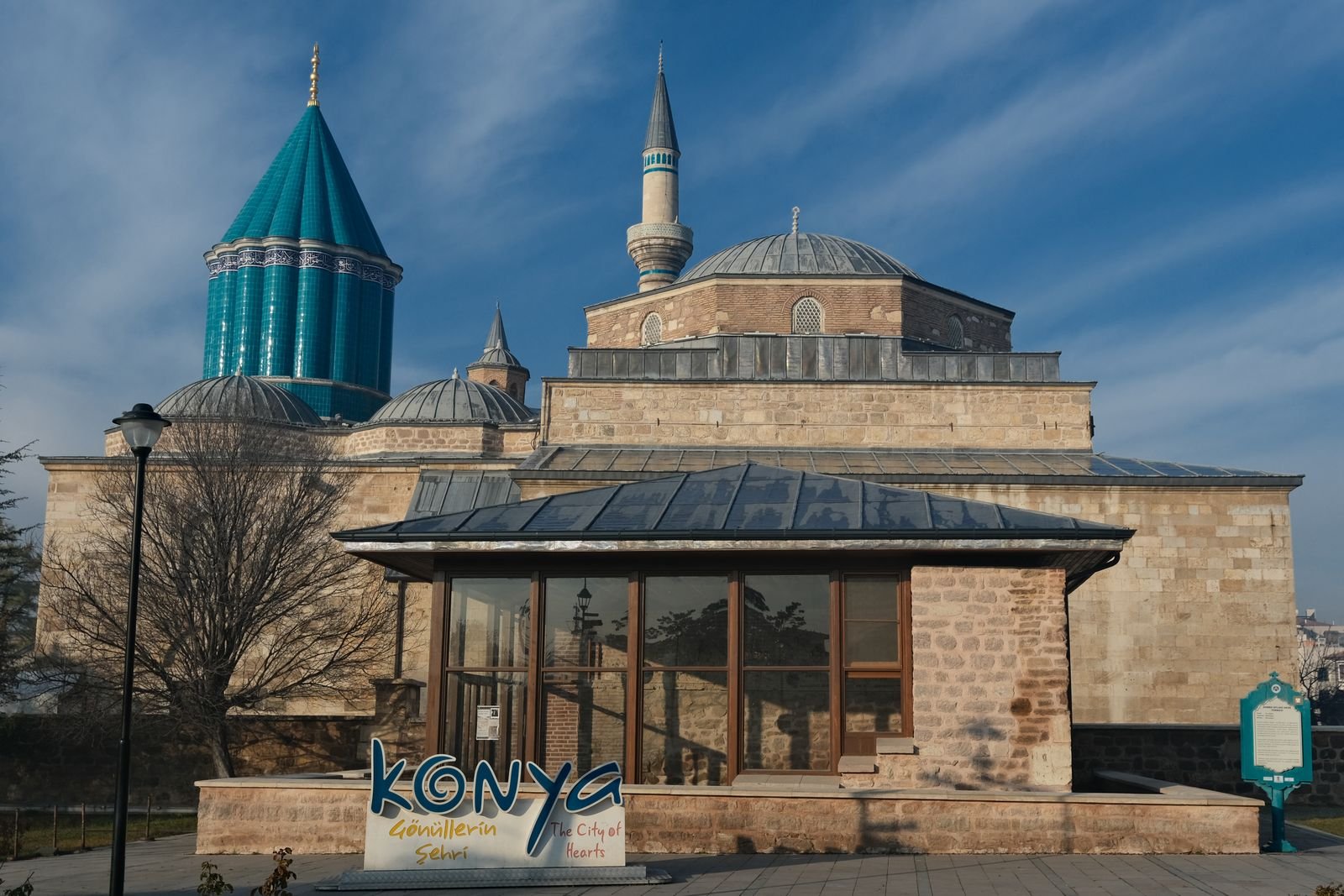
Konya. For The Dervish Gate, visit the Mevlana Museum, where Rumi is buried, and see a sema ceremony. Our guide to things to do in Konya has the details, and our page on Rumi (Mevlana) gives the background.
Gaziantep. His home city, famous for baklava and kebabs and for the Zeugma Mosaic Museum, is the backdrop to his childhood and to Patasana’s south-eastern world. See things to do in Gaziantep.
Read next
For literary Istanbul beyond crime fiction, read Orhan Pamuk, whose My Name Is Red is also a murder mystery, and Elif Shafak, whose Forty Rules of Love tells the Rumi story from another angle. For the Istanbul of the 1940s and 50s, try Sait Faik Abasıyanık.
Frequently asked questions
Which Ahmet Ümit book should I read first?
A Memento for Istanbul, especially if you are going to Istanbul. It is his best-known novel in English and is built around sights you will see.
Who is Chief Inspector Nevzat?
Ümit’s recurring detective, an Istanbul homicide officer who appears in several novels, including A Memento for Istanbul and Beyoğlu Rapsodisi.
Are Ahmet Ümit’s books available in English?
Some are, including A Memento for Istanbul, The Dervish Gate, Patasana and The Land of Lost Gods (Kayıp Tanrılar Ülkesi). Many later novels are so far in Turkish and other European languages only.
Related reading
- Famous Turkish writers and novelists
- Orhan Pamuk
- Elif Shafak
- Sait Faik Abasıyanık
- Mehmed the Conqueror
- Hagia Sophia guide
- Things to do in Konya
- Things to do in Gaziantep
Details checked in November 2026.