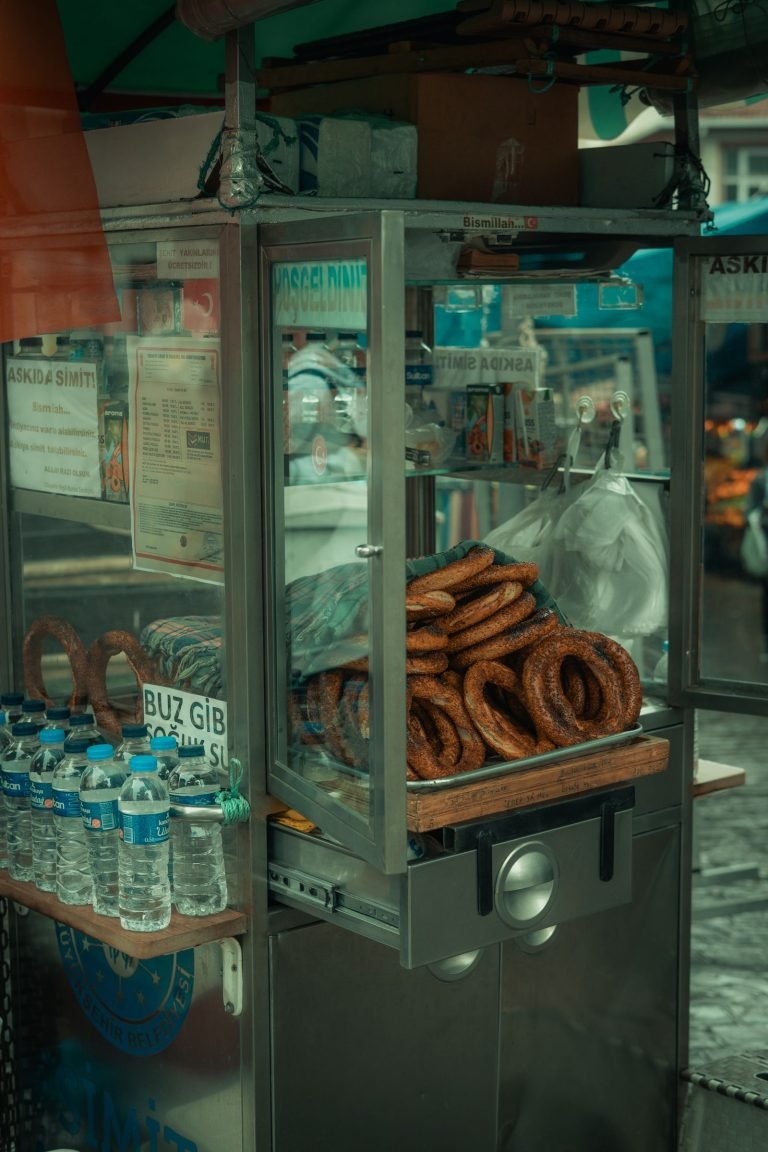
Non-alcoholic classics: ayran (salty yoghurt), şalgam (fermented purple carrot juice), boza (fermented millet, winter) and salep (hot orchid-root milk).
Shops cannot sell alcohol between 10pm and 6am.
Turkey is a Muslim-majority country where many people do not drink, yet it also has one of the most sociable drinking cultures in the Mediterranean, built around long evenings at the table rather than rounds at the bar. Alongside that runs a whole family of drinks most British visitors have never heard of, from salty yoghurt to purple carrot juice.
This guide explains rakı and how to drink it like a local, the soft drinks to try, Turkey’s native wine grapes, the rules on buying alcohol and the etiquette that keeps you on the right side of your hosts.
What is rakı?
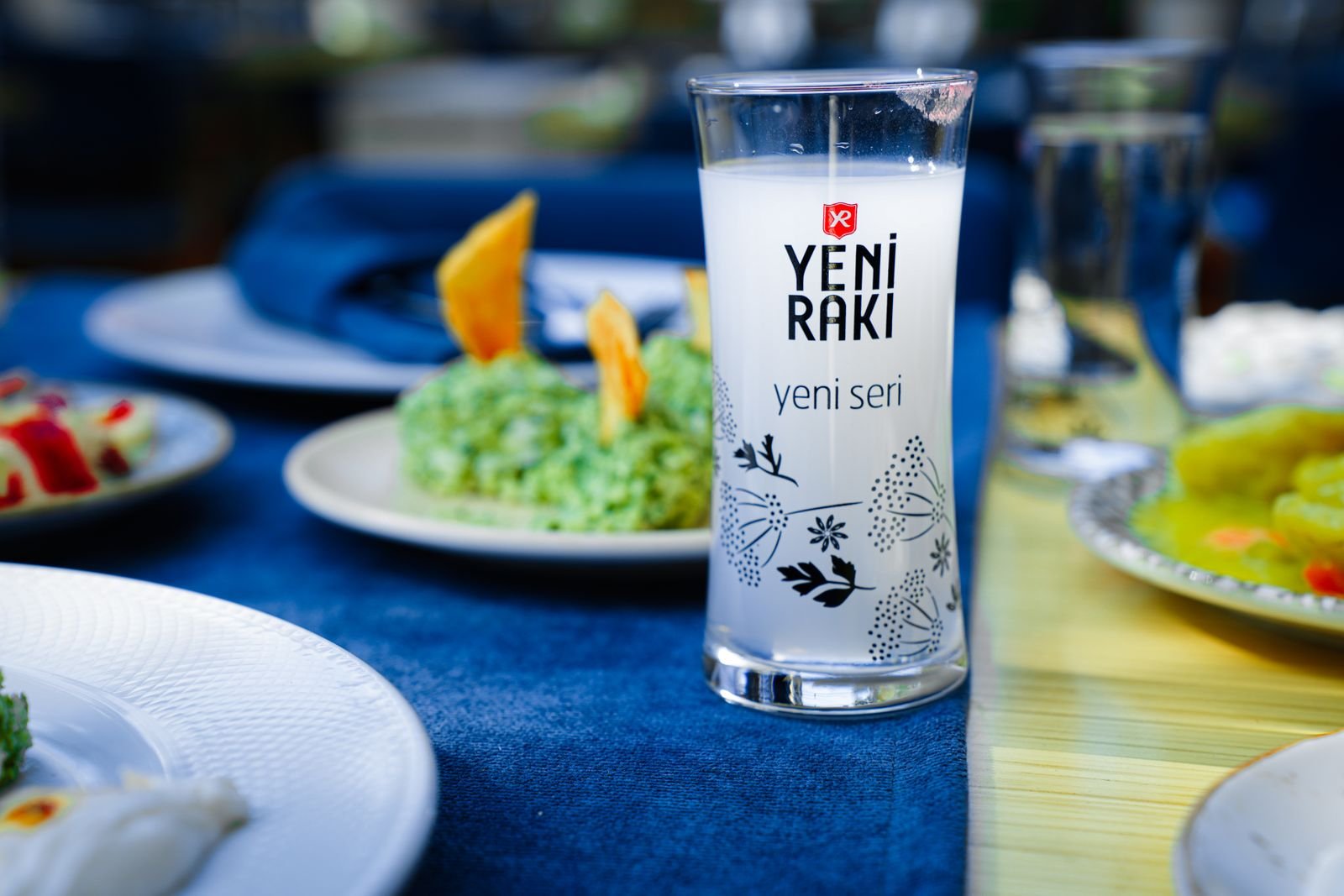
Rakı is distilled from grapes and raisins and flavoured with aniseed, which gives it a liquorice taste similar to Greek ouzo or French pastis. Most bottles are 40% to 50% alcohol. Poured neat it is clear; add water or ice and it turns cloudy white as the aniseed oils come out of solution. That milky colour, together with its strength, explains the nickname aslan sütü, “lion’s milk”.
The best-known brands are Yeni Rakı and Tekirdağ, and supermarket prices in autumn 2026 were about ₺1,375 (about £20.50) for a 70cl bottle of Yeni Rakı and ₺1,475 (about £22) for standard Tekirdağ. A glass in a restaurant or bar typically costs £4 to £9. Alcohol is the one thing in Turkey that is not cheap, because of high taxes; see Turkey travel costs.
How to drink rakı
- Dilute it. Rakı is almost never drunk neat. Pour the rakı into a tall, narrow glass, then add chilled water, roughly equal amounts or more water to taste. Locals usually add ice after the water, not before.
- Keep a second glass. A separate glass of plain water sits beside the rakı for sipping in between.
- Order by measure. “Tek” is a single, “duble” a double. Groups often order a small bottle (a 35cl “küçük”) or a 70cl bottle for the table.
- Go slow and eat. Rakı goes with food. An evening can last three or four hours, with drinks paced to the meze.
- Toast. Say “şerefe” (to honour) and touch glasses.
Meyhane culture
A meyhane is a traditional tavern, and an evening there is the setting rakı was made for. The table fills with cold meze first: white cheese and melon (the classic rakı pairing), haydari (thick yoghurt with herbs), fava (broad bean purée), smoky aubergine, stuffed vine leaves, pickled fish. Hot meze follow, such as fried calamari or börek, and then, if you have room, grilled fish. Many meyhanes have live fasıl music later in the evening, and the mood gets more animated as the night goes on.
In Istanbul, the side streets of Beyoğlu off İstiklal Avenue, including the arcade of Çiçek Pasajı, and the fish restaurants of Kumkapı are the traditional meyhane districts. In İzmir and along the Aegean you will find meyhanes in most coastal towns. Booking is wise on Friday and Saturday nights. Our sister site Turkish Dish has a list of Turkish meze restaurants in London if you want to try the same style of meal before you travel.
Meyhane explained: food, rakı and unwritten rules, an English-language guide to ordering and drinking in an Istanbul tavern (DW Food, January 2026). Watch on YouTube.
Ayran, şalgam and other soft drinks
Ayran
Yoghurt whisked with water and a pinch of salt, served cold and often frothy. It sounds odd to British tastes but is perfect with kebab, lahmacun or anything spicy on a hot day. Restaurants serve it in cups or from copper bowls; the frothiest kind, called yayık ayranı, is churned.
Şalgam
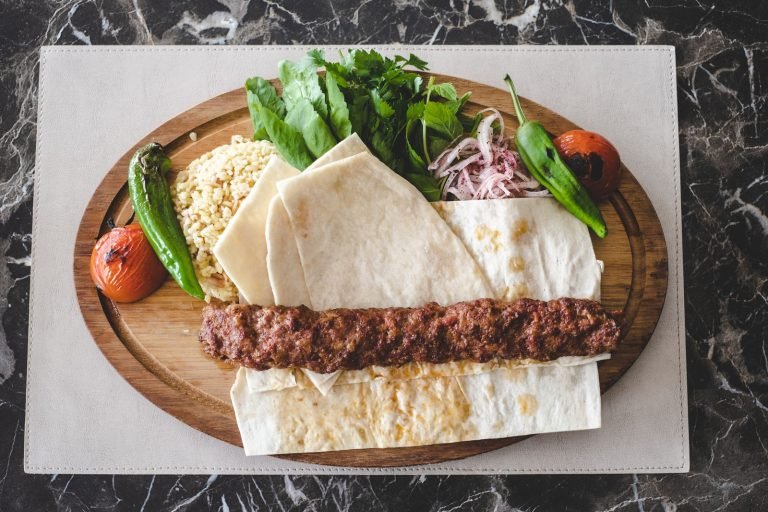
A dark purple, sour and salty drink made by fermenting black (purple) carrots, the speciality of Adana and Mersin. Ask for acılı (with chilli) or acısız (without). It is the standard partner for Adana kebab, and some people drink it with rakı. “Adana şalgamı” received a geographical indication certificate in 2020. See our Turkish kebab guide for what to eat with it.
Boza
A thick, slightly sour drink made from fermented millet, water and sugar, served cold in winter topped with cinnamon and roasted chickpeas (leblebi). Fermentation gives it a very low natural alcohol content, but it is treated as a soft drink. The place to try it is Vefa Bozacısı near the Süleymaniye Mosque in Istanbul, which opened in 1876.
Salep (sahlep)
Salep and sahlep are two spellings of the same thing: a hot, thick, sweet milk drink thickened with flour made from the dried tubers of wild orchids and dusted with cinnamon. It is sold on ferries and street corners in cold months. Wild orchids are protected: collecting them from nature is banned, and the agriculture ministry fines illegal collectors heavily under Turkish environmental law. Drink it in a café rather than buying loose tubers at a market.
For tea and coffee, Turkey’s biggest everyday drinks, see Turkish coffee and tea.

Turkish wine and native grapes
Wine has been made in Anatolia since ancient times, and modern Turkish wineries make good wine from both international varieties and native grapes you will not find at home. Look out for these on wine lists:
| Grape | Style | Where from |
|---|---|---|
| Öküzgözü (“ox eye”) | Soft, fruity red | Elazığ, eastern Anatolia |
| Boğazkere (“throat burner”) | Full-bodied, tannic red | Diyarbakır and the Tigris valley |
| Kalecik Karası | Light, fruity red, often compared to Pinot Noir; also used for rosé | Named after Kalecik, near Ankara |
| Narince | Crisp, refreshing white | North-central Anatolia |
| Emir | Full-bodied white | Cappadocia |
Öküzgözü and Boğazkere are often blended, one adding fruit and the other structure. The main wine areas for visitors are Thrace (west of Istanbul), the Aegean hinterland around İzmir and Denizli, and Cappadocia, where wineries around Ürgüp offer tastings; see things to do in Cappadocia. A domestic bottle in a supermarket is cheaper than in a restaurant, where wine can cost as much as at home.

Alcohol rules in Turkey
- Sale hours. Since a law passed in May 2013, shops and supermarkets cannot sell alcohol between 10pm and 6am. Licensed restaurants and bars can still serve it.
- Licences. New alcohol licences are not granted within 100 metres of schools and places of worship, so some neighbourhoods have no off-licence (tekel) at all.
- Advertising. Alcohol advertising and promotions are banned, which is why you rarely see brands promoted on signs and why images of drinking are blurred on Turkish television.
- Tax. Special consumption tax (ÖTV) on alcohol is high and, according to Turkish press reports, is updated each January and July in line with producer prices, so expect prices to rise at least twice a year.
- Availability. In resorts, Istanbul, İzmir and the Aegean, alcohol is easy to find. In conservative towns, especially in central and eastern Anatolia, many restaurants serve none.
Staying safe
The UK Foreign Office (FCDO) warns that people in Turkey, including in Istanbul and Ankara, have died or become seriously ill after drinking illegally produced spirits containing methanol, which you cannot detect by taste or smell. Buy drinks from reputable bars, shops and restaurants, be wary of very cheap spirits and cocktails, keep your drink in sight and get medical help urgently if you or a friend feels unwell after drinking. Do not drink and drive: police fine drink-drivers and can confiscate licences. See our Turkey safety guide and tourist scams to avoid.
Drinking etiquette
- Drunkenness in public is frowned on. At a Turkish table, drink goes with food and conversation, and the aim is a long evening, not a heavy one.
- Do not drink alcohol in or next to mosques, and be discreet in conservative areas and during Ramadan, when many people are fasting by day.
- Do not pressure anyone to drink. Many Turks do not drink for religious or personal reasons, and a non-drinker at a rakı table is completely normal.
- If you are invited to a home, ask before bringing alcohol as a gift; sweets or flowers are always safe. More in our customs and etiquette guide.
Bringing drinks home
For arrivals in Great Britain from Turkey, the duty-free allowance is 42 litres of beer, 18 litres of still or sparkling wine and 4 litres of spirits over 22%; instead of spirits you can bring up to 9 litres of fortified wine and other drinks up to 22%, or split the allowance between the two. Over that, you pay duty on the whole category. Check the current figures on GOV.UK before you fly; Irish travellers arriving from outside the EU have lower limits, for example 1 litre of spirits; see our duty-free allowances guide. Remember that milk-based products, including many instant sahlep mixes, cannot be brought into Great Britain from Turkey.
Frequently asked questions
Is rakı the same as ouzo?
They are close cousins: both are aniseed spirits that turn white with water. Rakı is made from grapes and raisins and is the drink of the Turkish meze table.
Why is rakı called lion’s milk?
Because it turns milky white with water and is strong enough to make you feel like a lion, or so the joke goes.
Can tourists drink alcohol in Turkey?
Yes. Alcohol is legal and widely available in tourist areas, but shops cannot sell it between 10pm and 6am, and some conservative towns have few outlets.
What is the most popular non-alcoholic drink in Turkey?
Tea, by a long way. With food, ayran is the usual choice.
What does “şerefe” mean?
It is the Turkish toast, roughly “to honour”. You will hear it many times at a meyhane.
Related reading
- Turkish culture: a traveller’s guide
- Turkish coffee and tea
- Turkish street food
- Turkish kebab guide
- Things that surprise visitors to Turkey
- Turkish food to try
- Things to do in Istanbul
- Things to do in İzmir
Sources: Hürriyet Daily News: alcohol sales restrictions; FCDO: Turkey safety and security; GOV.UK: alcohol allowances; Ministry of Agriculture and Forestry: salep collection fines.
Prices and opening details checked in November 2026. Confirm on the official page before you go.